
Heel Pain Is Not Created Equal
Why the cause matters and how heel pain is treated
Disabling heel pain is one of the most common foot conditions we treat at Waikato Podiatry Clinic. While many people describe their symptoms simply as “sore heels,” heel pain is not a single condition—and understanding where the pain is coming from is critical to effective treatment.
Heel pain can affect:
-
The underside of the heel
-
The edges or sides of the heel
-
The heel fat pad
-
The back of the heel, where the Achilles tendon attaches
Each of these pain locations represents a different problem and requires a different treatment approach.
Heel pain is age-dependent
Heel pain presents differently depending on age and activity level.
Heel pain in children
In children and adolescents, the most common cause of heel pain is Sever’s disease—an inflammation of the heel’s growth plate. This condition is linked to growth spurts and activity levels, not structural damage.
Gone are the days of simply telling children to “stop exercising.” With rising rates of childhood inactivity and obesity, keeping kids active is essential. When heel pain interferes with sport or play, it needs to be managed appropriately, not ignored.
At Waikato Podiatry Clinic, we focus on:
-
Explaining the condition clearly to parents and children
-
Reducing symptoms while allowing safe activity
-
Providing a structured management plan to support healing
It is misleading, and incorrect, to suggest that nothing can be done for growth-related heel pain. There are many effective strategies available.
Heel pain in adults
In adults, the most common cause of heel pain is plantar heel pain syndrome, with plantar fasciitis accounting for the majority of cases. This condition affects approximately 7–12% of adults.
The plantar fascia is a strong connective tissue band that runs from the heel to the toes. It plays a major role in:
-
Supporting the arch of the foot
-
Providing rigidity during push-off
-
Allowing the foot to adapt to uneven ground
In fact, the plantar fascia contributes roughly 27% of the foot’s overall rigidity. When overloaded repeatedly, the tissue can become painful and degenerative.
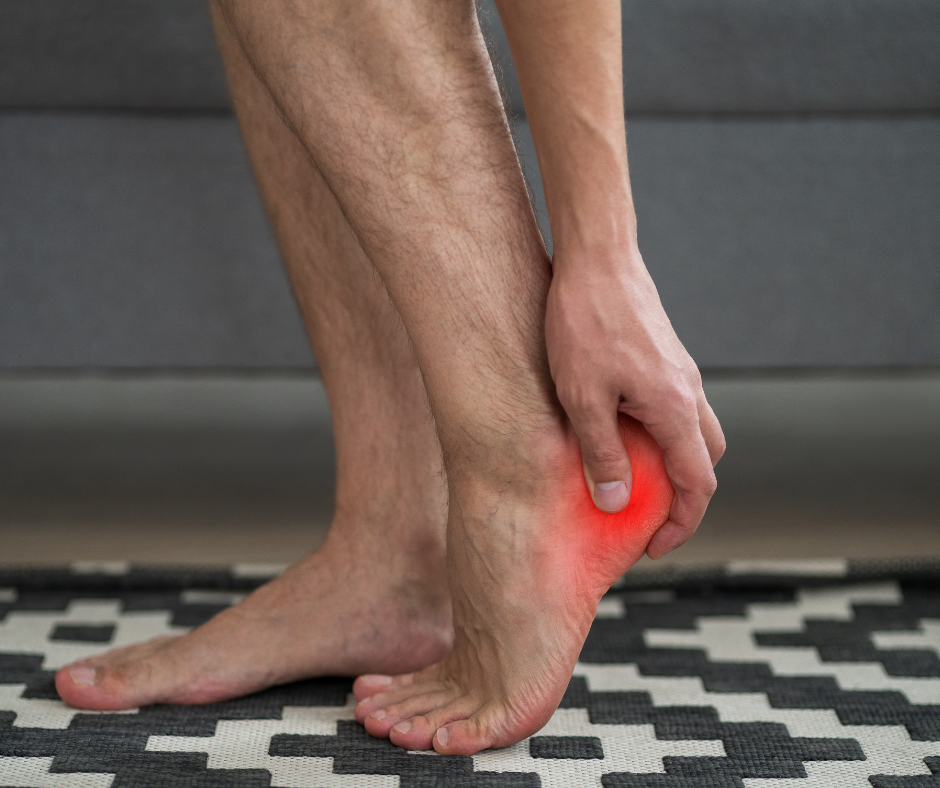
Common features and causes of heel pain
Many people with plantar fasciitis experience:
-
Pain with the first steps in the morning
-
Pain after prolonged sitting or rest
-
Pain that eases with movement, then worsens again later in the day
Heel pain is rarely caused by one factor alone. Common contributors include:
-
Foot posture and excessive pronation (flattening)
-
Rapid increases in activity or training load
-
Weight gain
-
Poor or inappropriate footwear
-
Prolonged standing on hard surfaces
-
Repetitive micro-trauma over time
Identifying the primary driver of your heel pain is essential for recovery.
Why diagnosis comes first
Because heel pain can arise from multiple tissues and structures, a specific diagnosis is critical before starting treatment. Not all heel pain is plantar fasciitis, and treating the wrong condition can delay recovery.
At Waikato Podiatry Clinic, diagnosis begins with:
-
A detailed history (when the pain occurs, how long it’s been present, what aggravates it)
-
A thorough physical examination
-
Review of footwear used at home, work, and during sport
 Always bring your footwear to your initial appointment. Footwear plays a major role in both causing and preventing heel pain.
In some cases, imaging such as X-rays or ultrasound may be used to help identify involved structures, but imaging is always interpreted alongside clinical findings.
How long has it been painful?
Duration matters. Heel pain that has been present for several months, or even years, often behaves differently from a new injury. Chronic cases may involve:
-
Tissue thickening
-
Scar tissue
-
Altered movement patterns
This is why expecting heel pain to resolve in a week is unrealistic if it has been present for 6–12 months or longer. Our podiatrists have undertaken additional training in advanced heel pain therapies, allowing us to manage both acute and long-standing cases effectively.
Initial assessment and early treatment
We never start treatment without first completing a full assessment.
Initial management often includes:
-
Temporary padding and strapping (typically worn for 2–3 days)
-
Load reduction strategies
-
Education around activity and footwear modification
Most patients report an average pain reduction of around 50% following initial strapping, although results vary. A positive response helps confirm the diagnosis and guides the next stage of treatment.
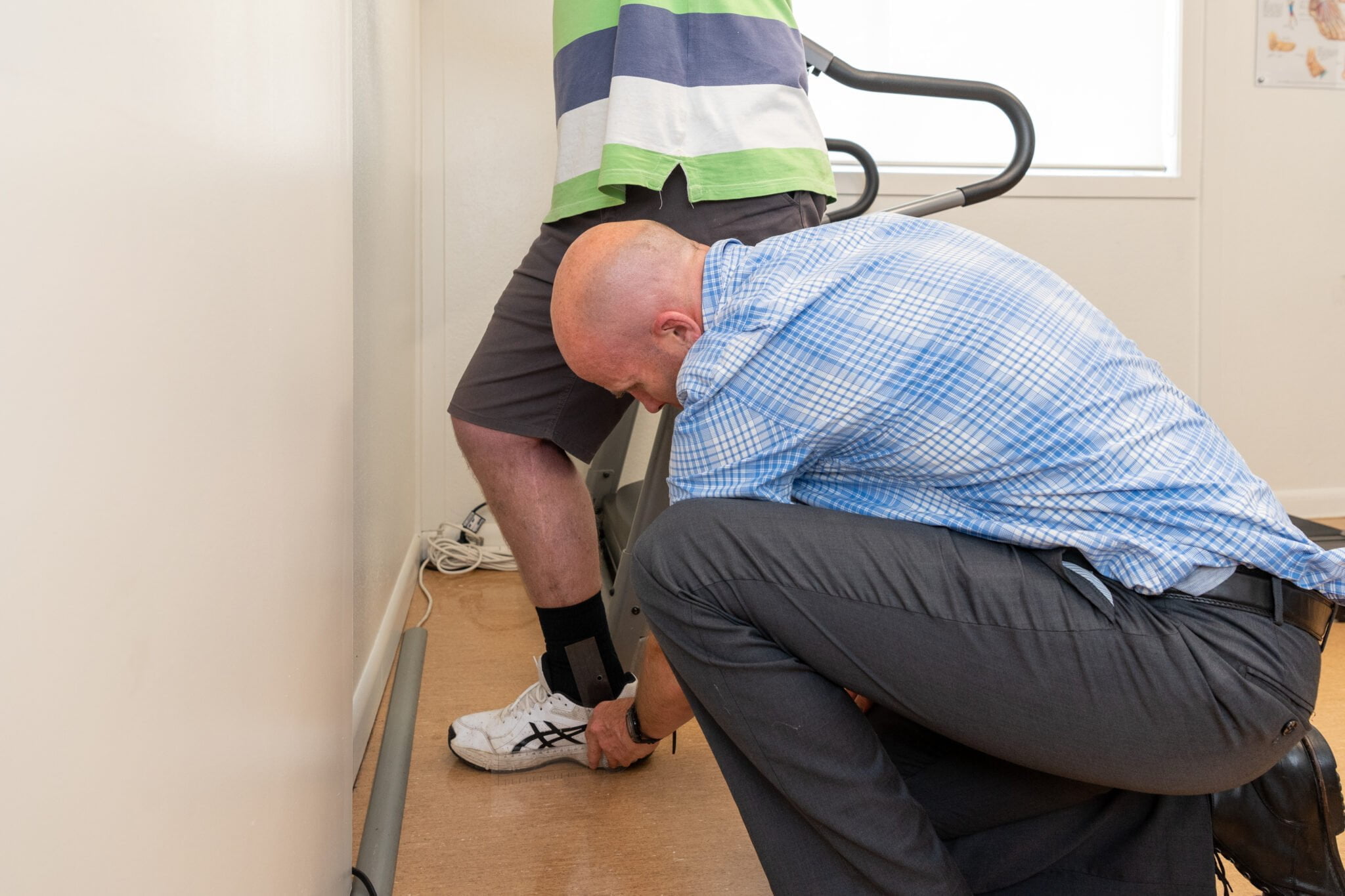
Tailored treatment options
Because heel pain is not “one-size-fits-all,” treatment plans vary depending on the cause, location, and chronicity of symptoms. Options may include:
-
Foot mobilisation techniques
-
Stretching and strengthening programs
-
Footwear modification
-
Activity and load management strategies
Many patients benefit from a combination of treatments, rather than a single intervention.
Regardless of the approach, every patient receives:
-
Clear guidance on what to do at home
-
Practical strategies to speed recovery
-
A plan that evolves as symptoms improve
Heel pain is common; but it’s also highly treatable when properly assessed. Understanding that not all heel pain is the same is the first step toward recovery.
If heel pain is limiting your ability to work, exercise, or enjoy daily life, early assessment and targeted treatment can make a significant difference. At Waikato Podiatry Clinic, we focus on accurate diagnosis, individualised care, and long-term outcomes; so you can get back on your feet with confidence.
Still in Pain?
Are you are feeling like you have tried everything but are still in pain?
Do you feel like you have seen every health practitioner you can about your heel pain?
We have a track record of diagnosing and successfully treating cases that have previously proven difficult to resolve and we'd love to help you get back on your feet doing what you love.