
Tendon & Ligament Problems
Understanding tendons, ligaments & foot injuries and how a podiatrist can help
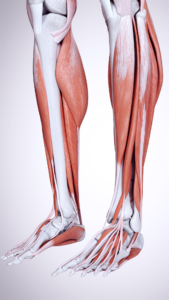
Ligaments and tendons play a major role in keeping your feet and ankles stable, strong, and capable of handling everything from daily walking to intense sports. When something goes wrong with these structures, it can lead to pain, instability, and long-term issues if not treated properly.
But what exactly are ligaments and tendons — and why do they cause so many foot and ankle problems?
What are ligaments?
A ligament joins bone to bone, providing stability and restricting excessive movement.
In the foot and ankle, ligaments act like strong, fibrous straps that protect the joints and prevent them from rolling or twisting too far.
Ligament injuries (sprains) commonly occur when the ankle rolls inwards or outwards unexpectedly, usually during sport, walking on uneven ground, or missing a step.
The most frequently injured ligament group is on the outside of the ankle (the lateral ligaments), especially during an inversion injury or “twisted ankle.”

Why sprained ligaments can cause long-term problems
Once stretched or torn, ligaments rarely return to their original length. This can lead to:
Laxity (looseness or instability)
Recurring ankle sprains
A feeling that the ankle may “give way”
Difficulty returning to sport or confident walking
Chronic pain or swelling
Without proper rehabilitation, each subsequent sprain becomes easier, putting more strain on surrounding structures and increasing the risk of future injury.
How foot posture can affect ligament stability
Foot posture plays a significant role in recurrent ligament injuries.
For example:
Flat feet or collapsing arches can increase stress on the inner ankle.
High arches may make the ankle more likely to roll.
A “turned-in” foot position can overload the outside ankle ligaments.
As the saying goes: things work best when they’re in the right place.
When your foot posture is misaligned, it puts extra load on tissues that are already under stress, including ligaments that are trying to heal.
What about tendons?
Tendons join muscle to bone, allowing movement and absorbing the forces of walking, running, and jumping.
While ligaments give you stability, tendons give you power and mobility.
Common tendon problems in the foot and ankle include:
Achilles tendon injuries
The Achilles tendon is the largest tendon in the body, and injuries are extremely common. These can include:
Tendonitis (inflammation)
Tendinopathy (degeneration over time)
Partial tears
Full ruptures
Symptoms often include stiffness in the morning, pain during activity, or swelling at the back of the heel.
Peroneal tendon strains
The peroneal tendons run along the outside of the ankle and help stabilise the foot.
These tendons are often strained during ankle sprains or in individuals with high arches or unstable ankles.
Other common tendon issues
Posterior tibial tendon dysfunction (often linked to flat feet)
Extensor tendon irritation (top of the foot)
Plantar fascia strain (often considered a ligament-like structure)
Accurate diagnosis is essential because these injuries can present similarly, but require different treatment approaches.
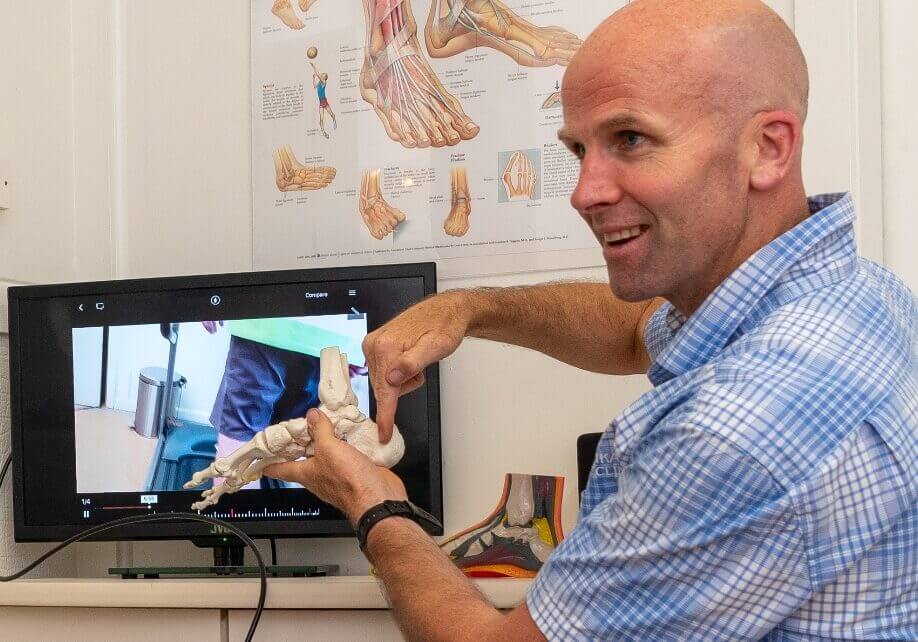
How a podiatrist can help
We are experts in diagnosing and treating tendon and ligament injuries of the foot and ankle.
Here’s how we support recovery:
1. Thorough assessment & accurate diagnosis
We will examine:
Foot posture and alignment
Gait (the way you walk)
Range of motion
Muscle strength
Areas of swelling, tenderness or instability
If needed, they may also arrange imaging (ultrasound, X-ray, or MRI) to confirm the diagnosis.
2. Rehab plans tailored to your injury
Ligament and tendon injuries heal best with targeted rehabilitation.
We provide:
Strengthening exercises
Mobility and flexibility work
Proprioception and balance training (crucial for ankle sprains)
Gradual return-to-sport plans
This helps restore function and prevents re-injury.
3. Footwear & orthotic advice
If misalignment or foot posture is contributing to the problem, orthotics or supportive footwear can reduce strain on injured tissues and improve stability.
4. Hands-on treatment
Depending on the injury, this may include:
Soft tissue mobilisation
Taping
Shockwave therapy
Dry needling
Manual therapy
These treatments help improve healing, reduce pain, and enhance mobility.
5. Long-term prevention
A podiatrist can help ensure the problem doesn’t return by identifying the underlying cause, whether it’s foot posture, muscle imbalance, or training habits, and providing a long-term management plan.
When to seek help
If you’ve experienced a sprain, strain, or persistent foot or ankle pain, it’s important to seek treatment early.
Leaving tendon or ligament issues untreated often leads to:
Chronic instability
Reduced mobility
Long-term pain
Higher chance of re-injury
Compensatory issues in the knee, hip or back
Early diagnosis and proper rehabilitation can make a huge difference in your recovery.
Still in Pain?
Are you are feeling like you have tried everything but are still in pain?
We have a track record of diagnosing and successfully treating cases that have previously proven difficult to resolve and we'd love to help you get back on your feet doing what you love.