
Plantar Fasciitis
Plantar fasciitis is a common and often stubborn cause of heel pain, but the good news is that most people improve with conservative (non-surgical) treatment. Research shows that approximately 85% of patients experience a successful recovery within 18 months. While that may sound like a long time, the right treatment approach can significantly reduce pain, improve function, and speed up your return to normal activity.
There is no single treatment that works for everyone. Plantar fasciitis is a condition with multiple contributing factors, which is why a tailored, individualised treatment plan; developed in partnership with your podiatrist, often delivers the best results.
How do I Know if I Have Plantar Fasciitis?
Heel pain is very common, however not all heel pain is caused by plantar fasciitis. Causes of heel pain are very diverse and include: fat pad trauma, nerve impingement, heel spurs, arthritis, gout and inappropriate footwear choice. For this reason, it's important to get a correct diagnosis from a professional before you start treating the problem.
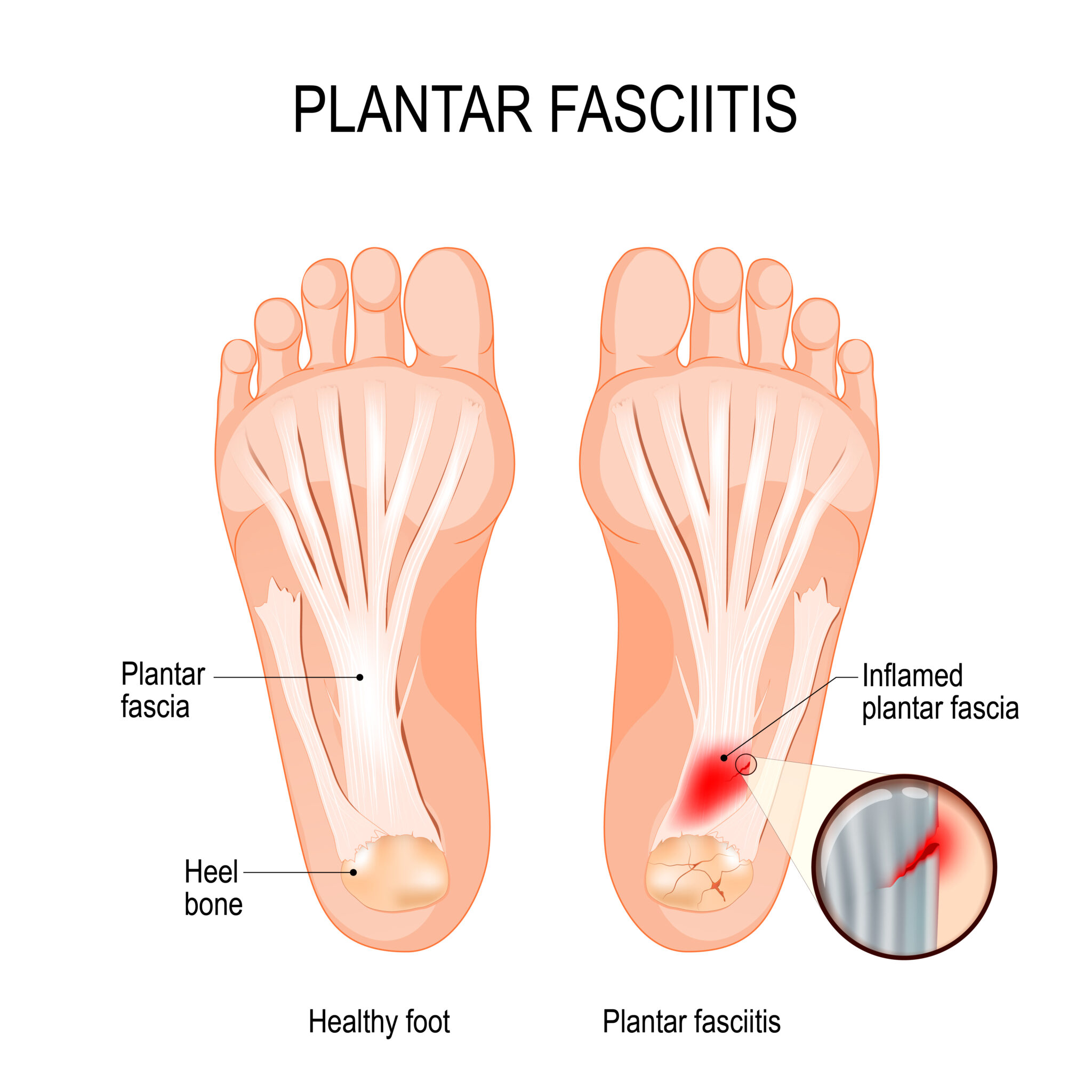
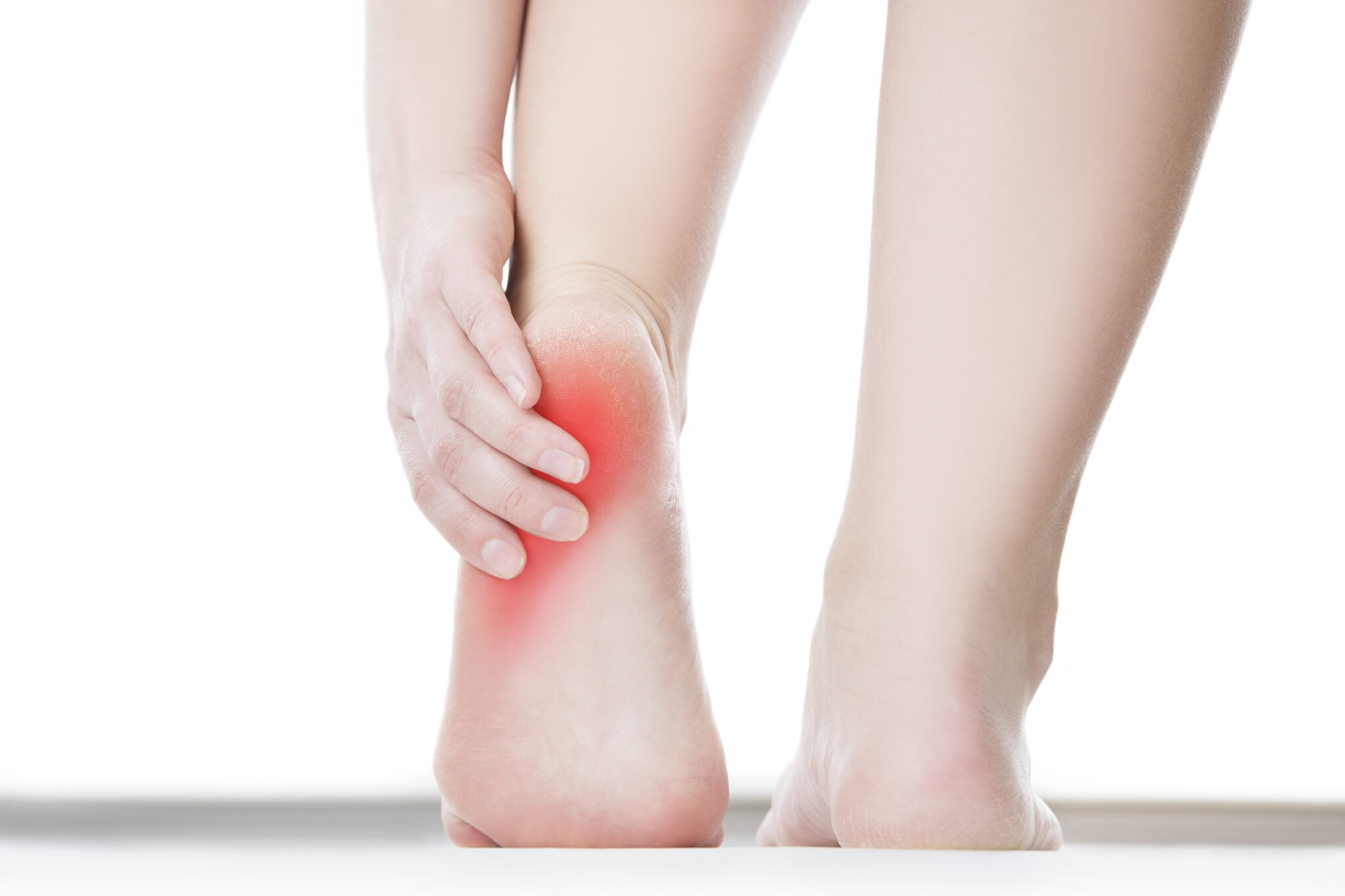
What Causes Plantar Fasciitis?
Some of the most common causes are:
- Rapid increase or high bodyweight (e.g. during pregnancy or weight gain)
- Increase or change in activity – (e.g. a sudden increased training load or type)
- Muscle imbalance – (e.g. calf or hamstring tightness)
- Poor shoe selection – (e.g. inappropriate shoes or rapid change into new shoes)
- Occupation related stresses (e.g. prolonged standing on hard surfaces)
Reducing pain and improving comfort
Early treatment focuses on reducing pain, calming irritated tissue, and decreasing strain on the plantar fascia. Depending on your symptoms and lifestyle, your podiatrist may recommend a combination of the following:
Relative rest and activity modification
You may not need to stop all activity, but temporarily reducing or modifying aggravating movements allows the tissue to settle and heal.
Ice therapy
Ice massage using a frozen water bottle rolled under the foot can help reduce inflammation and relieve pain.
Strapping
Plantar fascia strapping provides immediate support, reduces strain on the tissue, and can significantly improve comfort, particularly in the early stages.
Massage and topical anti-inflammatories
Massage under heat, combined with topical NSAID gels such as Voltaren, can help relieve localised pain and stiffness.
Stretching programs
Calf and plantar fascia stretching is essential, especially for people with limited ankle range of motion. Tight calves increase stress on the heel with every step.
Pre-loading exercises
Simple movements performed before getting out of bed can reduce the intensity of “first-step pain” in the morning.
Orthotics
Custom or semi-custom orthotics prescribed by your podiatrist help control foot mechanics, reduce load on the plantar fascia, and improve overall comfort.
Footwear advice
Supportive, well-fitting footwear is a cornerstone of treatment. Poor footwear can slow recovery or cause ongoing irritation.
Medication
Short-term use of over-the-counter anti-inflammatory medications such as ibuprofen or diclofenac may help manage pain, when appropriate.
The importance of a long-term solution
Plantar fasciitis is not just a pain issue, it is a mechanical condition. That means long-term improvement relies on addressing the underlying forces contributing to tissue overload.
Getting the correct diagnosis early is crucial. With more than 50 different causes of heel pain, plantar fasciitis must be clearly identified before effective treatment can begin. The sooner the right diagnosis is made, the sooner recovery can start.
If taping or strapping provides relief, this tells us that reducing mechanical load helps your symptoms. That same benefit can often be replicated long-term with appropriate orthotics and footwear, an approach well supported by research.
The type of orthotic required depends on several factors, including:
-
Your footwear preferences
-
Sporting or occupational demands
-
Duration and severity of symptoms
-
Previous treatments and response
While over-the-counter insoles may help some people, it’s worth remembering that you don’t have over-the-counter feet. What works for one person may not work for another.
A tailored approach works best
Recovery from plantar fasciitis takes time, patience, and consistency. A combination of targeted stretching, load management, footwear optimisation, and mechanical support offers the best chance of success.
Working closely with your podiatrist allows treatment to be adjusted as your symptoms change, helping you move more comfortably, stay active, and return to the activities you enjoy with confidence.
If heel pain is limiting your life, help is available—and early intervention makes a real difference.
Still in Pain?
Are you are feeling like you have tried everything but are still in pain?
Do you feel like you have seen every health practitioner you can about your heel pain?
We have a track record of diagnosing and successfully treating cases that have previously proven difficult to resolve and we'd love to help you get back on your feet doing what you love.


Good day , my name is Thabile I have pain under my feat ingles planter since I was pregnant 2020 is more than 2year n I count ,