
Off-Season Is The Right Season: Why Now Is the Perfect Time to Rehab Your Sports Injuries
The final whistle has blown. The boots are by the door. The weekend scoresheets are done for another year. And for many winter sport athletes across the Waikato, the end of the season brings a welcome sense of relief - along with the nagging awareness of that injury you've been managing, ignoring, or simply pushing through for the past few months.
Sound familiar?
If so, we have good news: the off-season isn't just a time to rest. It's arguably the most valuable window of the entire sporting year - and how you use it will determine how well you perform when the season kicks off again.
Why rehab during the season is so difficult
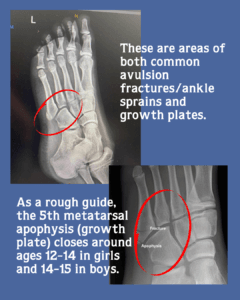
Let's be honest about something that many athletes already know but rarely say out loud: proper rehab of a tendon injury, a chronic ankle problem, or a niggling knee during the peak of a season is extremely difficult. Not impossible - but genuinely hard to do well.
The reason comes down to load. During the season, your body is under constant and significant physical demand. Training sessions, match days, travel, and the general fatigue of a long competitive period all stack up. The cumulative load on your muscles, tendons, and joints is high - and that's precisely the environment in which progressive rehabilitation is most challenging to execute.
Tendon rehabilitation in particular requires a carefully structured loading programme that gradually increases demand over time, allowing the tendon to adapt, strengthen, and rebuild its capacity. When overall load is already at or near its limit, there's very little room to layer that progressive work on top without risking further irritation or breakdown. So instead, athletes manage. They stretch, they strap, they take anti-inflammatories, they warm up longer. They get through the season. But the underlying problem remains.
What the off-season allows
With the season behind you and playing loads dropping significantly, your body enters a very different environment - one that is genuinely conducive to healing and rebuilding.
This reduction in overall demand creates the space needed to introduce progressive strengthening work without overwhelming the system. Tendons can be loaded in a controlled, graduated way. Muscles that have been compensating for months can be properly addressed. Movement patterns that have developed around pain or weakness can be corrected. And the whole lower limb can be reconditioned from the ground up.
The off-season is also the time when your body is most receptive to the structural adaptations that make the real difference to long-term performance. Strength gains, tendon stiffness improvements, neuromuscular control - these things take time and consistent, progressive work. Starting that process now means arriving at pre-season in a genuinely different physical position than you left the last one.
Don't forget your equipment
While your body is being reconditioned, it's worth casting a critical eye over the equipment that supports it. Boots, studs, insoles, and orthotics all experience significant wear over the course of a season - and worn or inappropriate footwear is one of the most common and underappreciated contributors to lower limb injury.
Before you pack everything away for winter, check your boots for structural breakdown, assess whether your studs are still appropriate for the surfaces you play on, and consider whether your footwear is actually supporting your foot and lower limb biomechanics in the way it should. If something feels off, now is the time to address it - not in the first week of pre-season when you're already ramping up load.
How Waikato Podiatry can help
At Waikato Podiatry, we work with athletes at every level - from weekend club players to competitive regional and national performers. We understand the demands of winter sport, and we know how to build rehabilitation programmes that fit around your off-season timeline and your goals for next year.
Whether you're dealing with an Achilles that's been grumbling all season, an ankle that never fully recovered from a sprain, knee pain that worsens with load, or biomechanical inefficiencies that you suspect are contributing to recurring injury, we can help.
Don't arrive at pre-season hoping things have settled. Come and see us now, while there's time to actually fix them.