Knee Pain
Patellofemoral Pain Syndrome (PFPS): causes, symptoms & how a Podiatrist Can Help
Patellofemoral Pain Syndrome (PFPS) is one of the most common causes of pain at the front of the knee. Often referred to as “runner’s knee”, it affects people of all ages — from active teenagers and runners to adults who spend long hours on their feet.
What Does PFPS Feel Like?
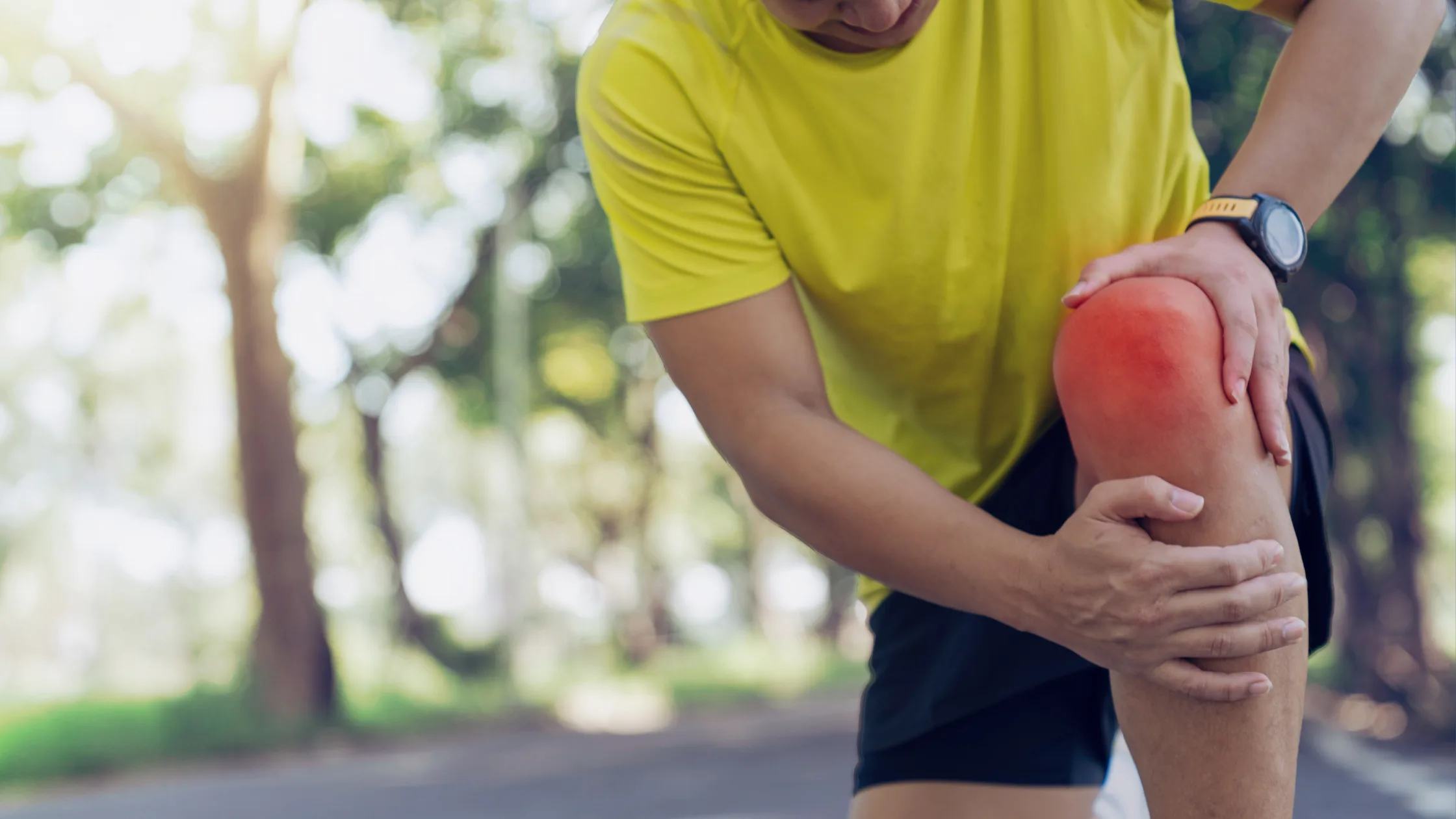
Pain is usually felt around the front of the knee and may seem as though it’s coming from deep behind the kneecap itself. Many people describe:
A dull ache around or behind the kneecap
Clicking, grinding, or clunking sensations
Pain when going up or down stairs
Discomfort when running (especially downhill)
Difficulty sitting for long periods with the knee bent (“cinema sign”)
These symptoms often worsen with activity, but can also be irritating during daily tasks like getting up from a chair or kneeling.
What causes PFPS?
PFPS is rarely caused by just one issue. Instead, it’s usually a combination of factors that alter how the kneecap tracks over the femur (thigh bone). Common contributors include:
➡️ Training errors
A sudden increase in running distance, speed, hill work, or overall training load can overload the knee joint.
➡️ Muscle imbalances or weakness
Weakness in the quadriceps, glutes, or hip stabilisers affects knee alignment during movement, increasing strain on the patellofemoral joint.
➡️ Lower limb malalignment
Flat feet, high arches, knee valgus (“knock knees”) or poor biomechanics can change the way your knee moves, placing extra pressure behind the kneecap.
➡️ Poor footwear
Worn-out or unsuitable footwear can contribute to poor lower limb mechanics, especially during sport.
➡️ Trauma or repetition
A direct blow to the knee, or repetitive movements like running and squatting, can irritate the structures around the kneecap.
How a Podiatrist can help with PFPS
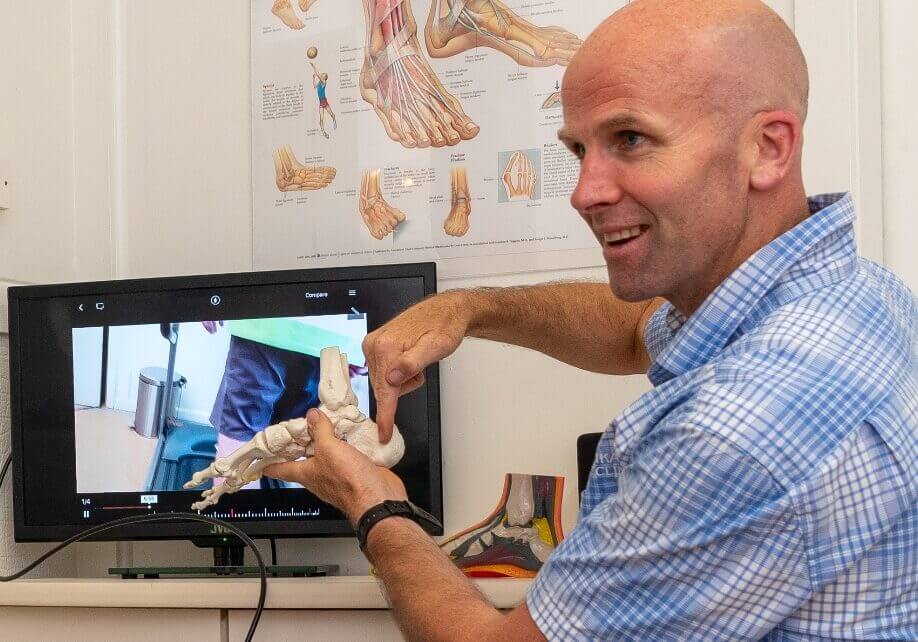
Because PFPS is closely linked to lower-limb alignment and biomechanics, podiatrists play a key role in diagnosing and treating this condition.
Comprehensive biomechanical assessment
A podiatrist will assess how your feet, ankles, knees and hips move during walking and running. Even small alignment issues can create significant pressure on the kneecap.
Custom or prefabricated orthotics
Orthotic devices help improve foot posture, support the arch, and reduce excessive rotation of the leg, all of which can help the knee cap move more efficiently.
Footwear advice
Podiatrists can recommend the best type of shoe for your foot shape, activity level, and biomechanics, ensuring the whole lower limb is better supported.
Load management & activity modification
A structured return-to-activity plan helps reduce irritation while still keeping you active.
Collaborative care
Because PFPS can involve hips, thighs, and core strength as well as foot mechanics, podiatrists often work alongside physiotherapists and sports doctors to create a complete rehabilitation plan.
Still in pain?
Are you feeling like you have tried everything but are still in pain?
We have a track record of diagnosing and successfully treating cases that have previously proven difficult to resolve and we'd love to help you get back on your feet doing what you love.
Call us or drop us an e-mail & we'll get back to you as soon as possible to discuss your knee pain and some possible solutions. You can also book an appointment online.
Providing the people of Waikato with a centre of podiatry excellence