
The very best way to stop your heels hurting in the morning
What is a pre-load stretch?
One of the most common features of Plantar Fasciitis is the heel and arch pain you first get out of bed in the morning, it's a sharp, shooting pain under your heel. In Podiatry, this is what we refer to as “First Step Pain”. It usually eases after 2-5 minutes of being on your feet.
One of the very best ways to ease this is to do what we call a Pre-Load Stretch.
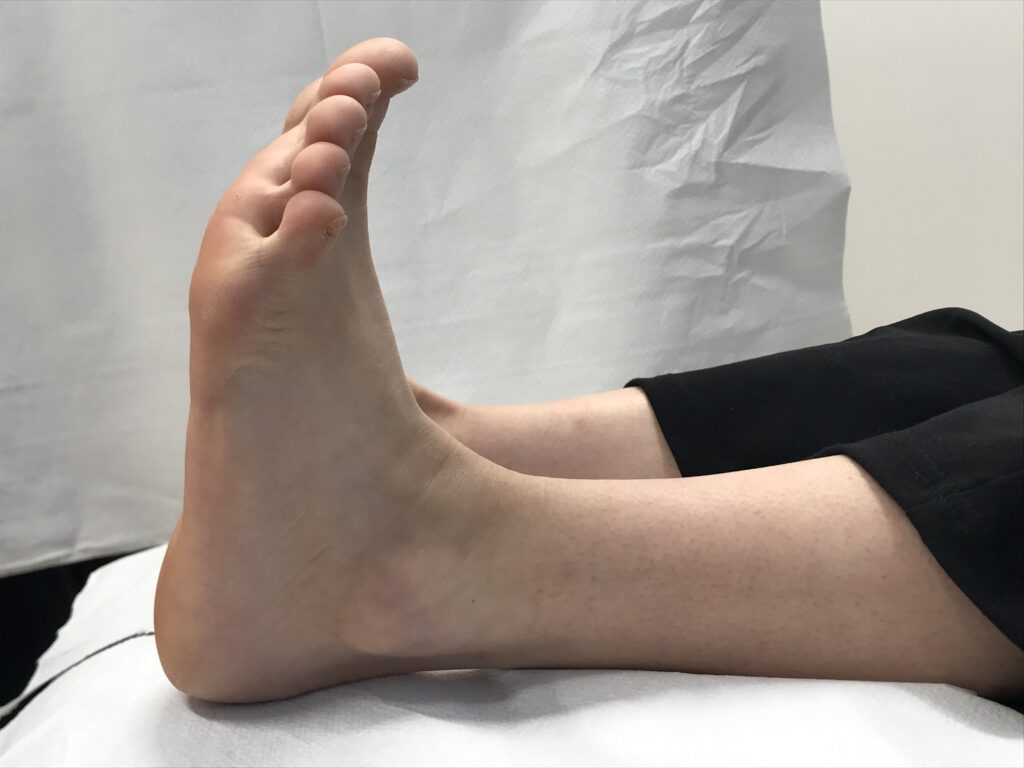
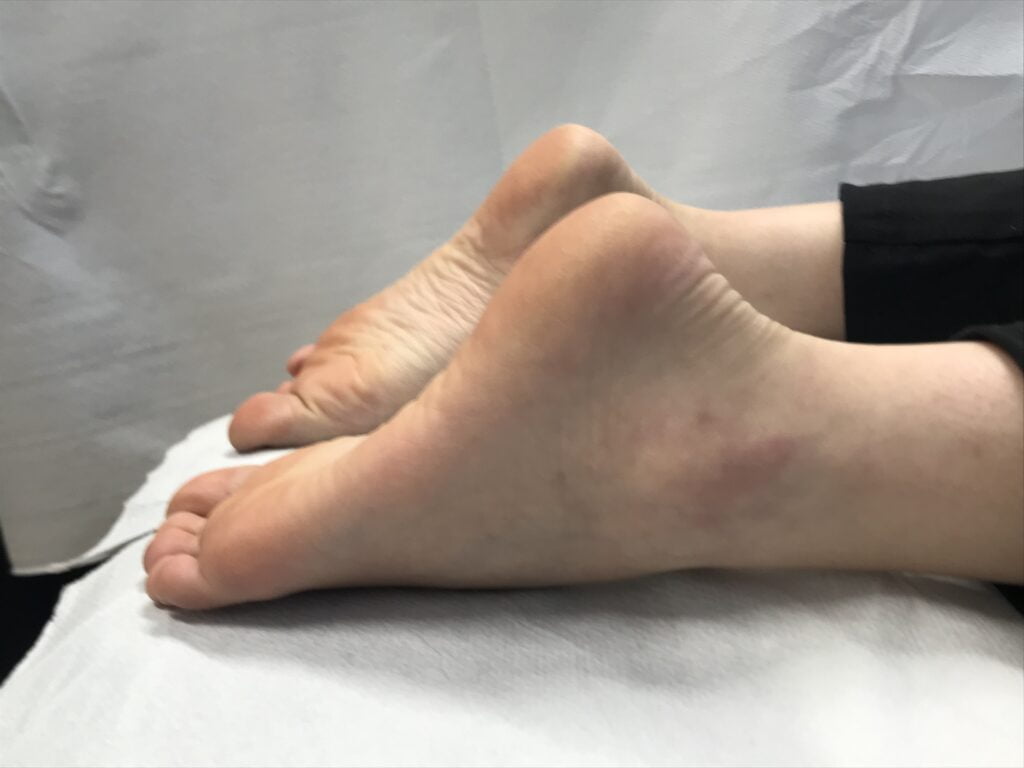
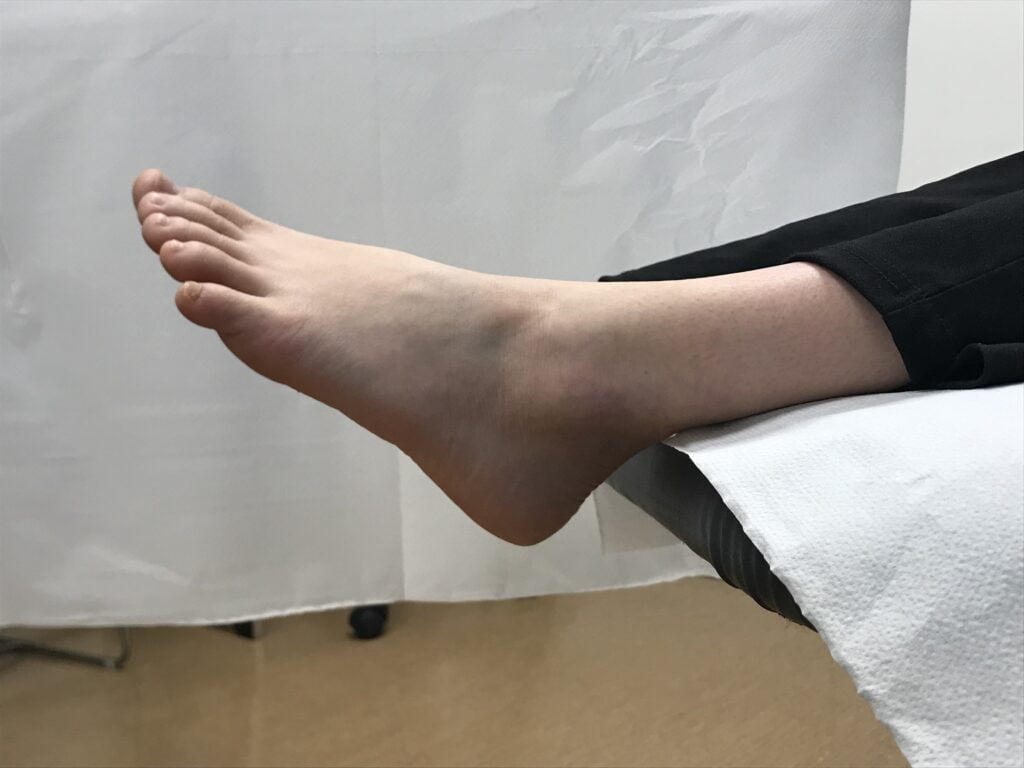
When you have been in bed asleep, your foot has dropped into a plantar fixed position, and your muscles in your leg, and along your calves, achilles tendon and the plantar fascia all tightened up. So, when you stand in the morning, this whole area of your foot and ankle is stiff and inflexible. When you stand it pulls and stretches right through your calf and the whole area becomes really painful.
What can I do to stop my heels hurting in the morning?
One of the most beneficial things you can do stop you heels hurting in the morning is to try and alleviate this sensation is a pre-load stretch. This will help to prime the tissue and stretch it out slowly , and get some elasticity in it before you actually hit the ground and start walking. This will help to smooth out the whole process and reduce the pain.
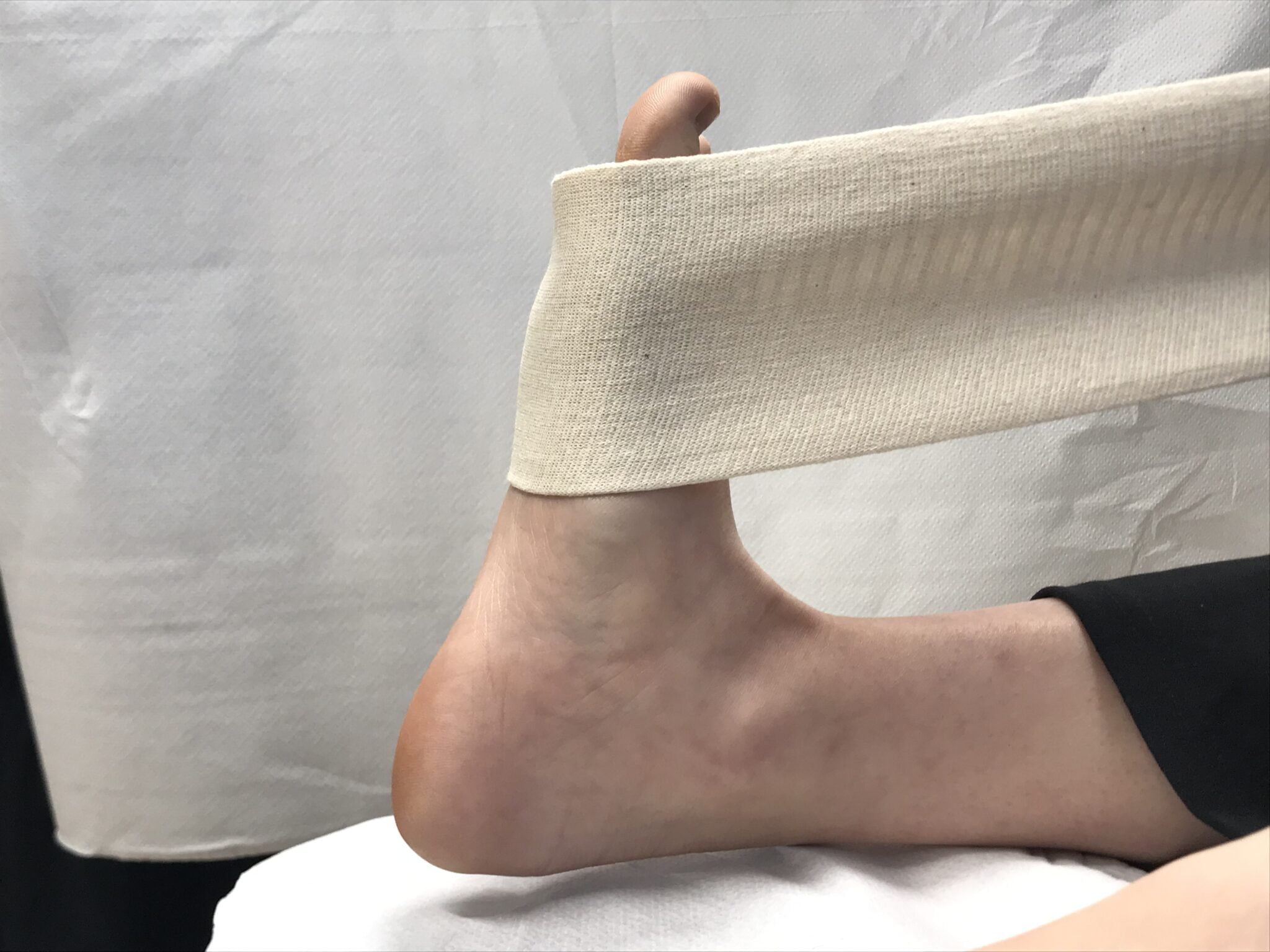
One way to do this is to stretch the toes back towards the leg and holding for two lots of twenty seconds. Or you can use a belt, band, or Thera band, and you can hook this around your foot and pull it back towards your body. Again, hold this for two lots of twenty seconds.
Once you have done that, you can stand up and do a couple of normal calf stretches. One of the best ones to do is to have one leg straight with a long calf, and then the other leg bent, creating a small calf.
How often should I do morning stretches?
I would recommend doing these every day before you get up and out of bed, and then maintain the stretching with the standing stretches every 3 hours throughout the day. Don’t over do it as you can push too hard, and it will start to get sore. The best way is to feel the stretch and just hold it there, do not over stretch.
We advise on foot streches, foot pain and plantar fasciitis nearly every day at Waikato Podiatry, book an appointment with us to discuss your foot pain and for a personalised treatment plan.
Still in Pain?
Are you are feeling like you have tried everything but are still in pain?
Do you feel like you have seen every health practitioner you can about your foot pain?
We have a track record of diagnosing and successfully treating cases that have previously proven difficult to resolve and we’d love to help you get back on your feet doing what you love.