
Diafactory Kit to test a fungal nail infection
Revolutionary Advances in Fungal Nail Infection Diagnosis and Management
After two decades in podiatry practice, I can confidently say that one of the most significant advances in our field has been the introduction of in-clinic diagnostic testing for fungal nail infections. Today, I want to share how this technology is transforming patient care and provide you with comprehensive information about fungal nail infections—from causes and symptoms to cutting-edge prevention strategies.
The Diagnostic Revolution: In-Clinic Testing
Gone are the days of sending nail samples to laboratories and waiting weeks for results. The diafactory kit represents a breakthrough in podiatric diagnostics, allowing us to diagnose dermatophytic fungal nail infections right in the clinic within just five minutes. With a 97% specificity rate, these tests are remarkably reliable and effective, enabling immediate treatment decisions and better patient outcomes.
This advancement means faster diagnosis, quicker treatment initiation, and reduced anxiety for patients who previously had to wait weeks wondering about their condition.
What Are Fungal Nail Infections?
Fungal nail infections, medically known as onychomycosis, occur when fungi invade the nail bed, nail plate, or surrounding tissue. These infections are among the most common nail disorders, particularly affecting toenails due to the warm, moist environment inside shoes.
Causes Of Fungal Nail Infections
- Fungi, The most common culprits, are fungi thrive in warm, moist environments and are responsible for the majority of nail infections.
- Moisture exposure, Prolonged exposure to damp conditions, such as sweaty shoes or wet floors
- Warm environments, Public pools, showers, locker rooms, and saunas
- Poor ventilation, Tight-fitting shoes that don't allow air circulation
Risk Factors:
- Age, Risk increases with age due to slower nail growth and reduced circulation
- Compromised immune system, Diabetes, circulation issues, or other health conditions
- Previous infections, History of athlete's foot or other fungal infections
- Nail trauma, Injuries that create entry points for fungi
- Lifestyle factors, Frequent use of public facilities, sharing footwear, or poor foot hygiene
Symptoms Of A Fungal Nail Infection
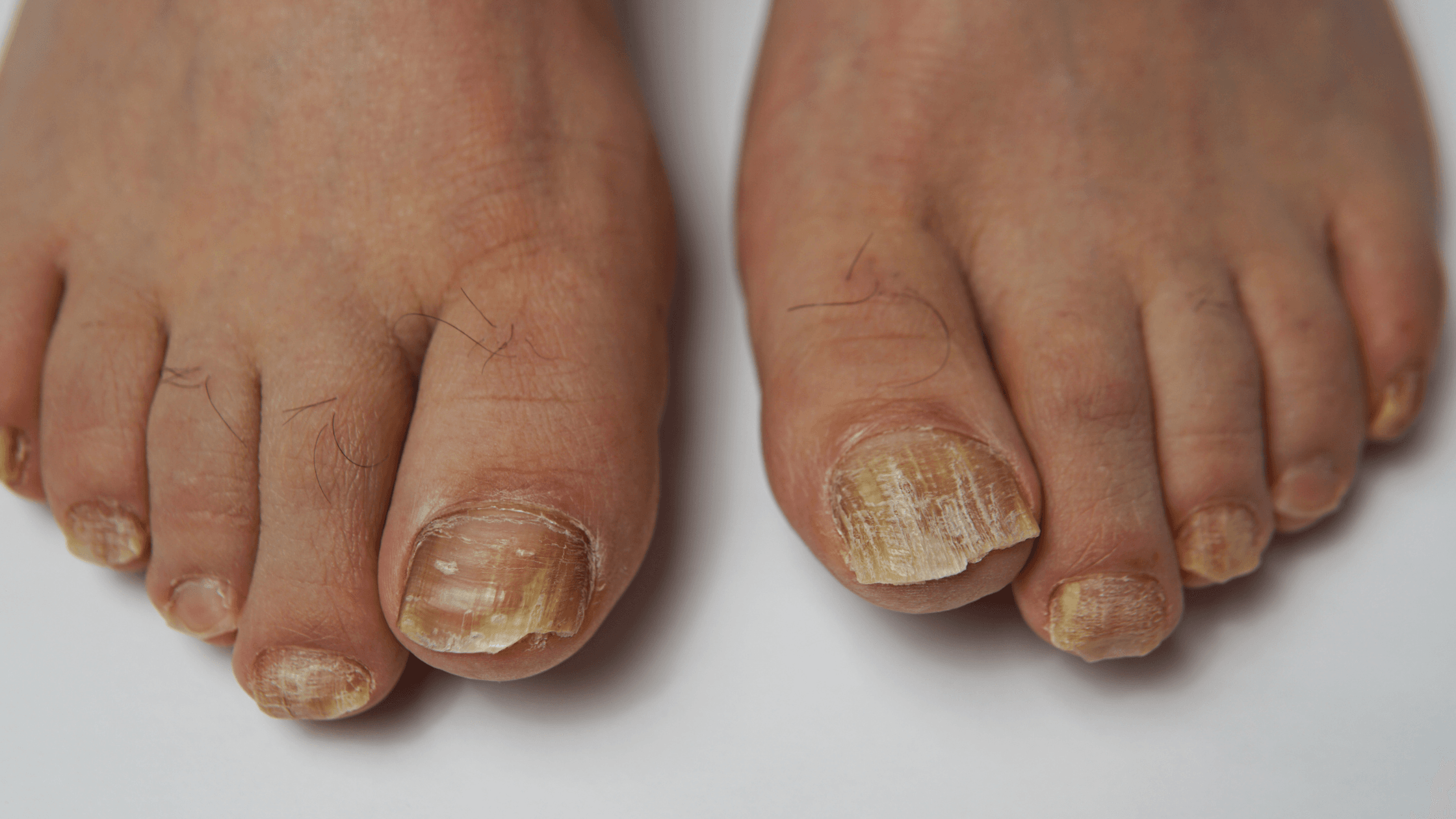
- Discoloration, Yellow, brown, white, or black spots or streaks
- Thickening, Nails become noticeably thicker and more difficult to trim
- Brittleness,Nails become crumbly, brittle, or easily broken
- Shape distortion, Nails may become curved or lifted from the nail bed
- Surface changes, Rough, uneven, or pitted nail surface
- Odor, Unpleasant smell from affected nails
- Pain or discomfort,Especially when wearing shoes or walking
- Separation, Nail lifting away from the nail bed
Fungal Nail Treatment
One of the most frustrating aspects of fungal nail infections is their notoriously high recurrence rate. This is why you frequently see fungal nail treatments advertised on television—the market demand remains high because reinfection is so common.
We use the Diafactory kit to accurately diagnose the infection and then we recommend the treatment required. Find out more here.
The advancement in diagnostic technology represents just one aspect of evolving fungal nail infection management. Combined with comprehensive prevention strategies and patient education, we can significantly reduce both initial infection rates and the frustrating cycle of reinfection that affects so many people.
Remember, the most effective treatment for fungal nail infections is preventing them in the first place. By understanding the causes, recognising early symptoms, and implementing comprehensive prevention strategies, you can maintain healthy nails and avoid the lengthy treatment processes that these stubborn infections often require.
Suffering from Fungal Nail Infection?
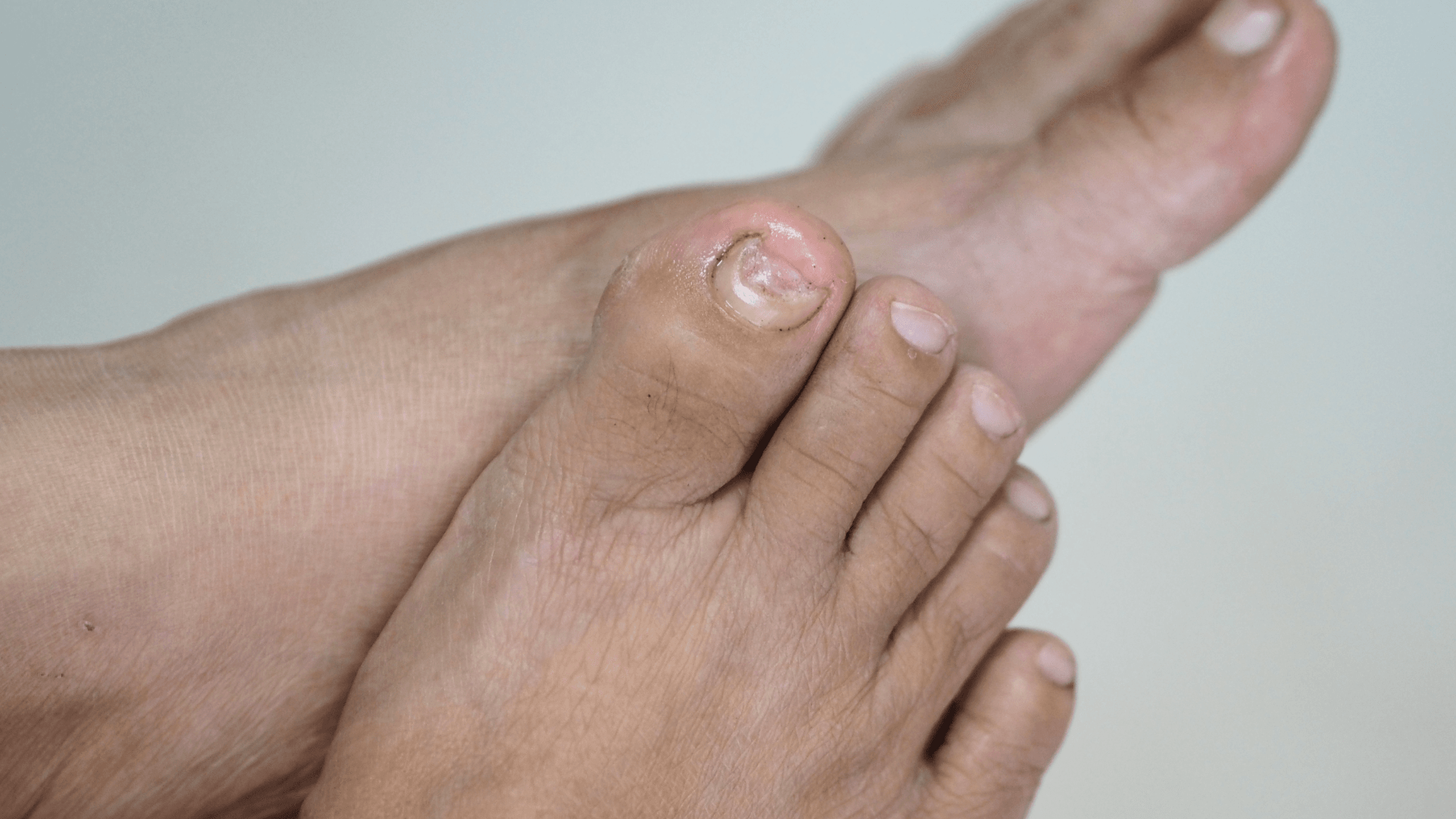
Are you are feeling like you have tried everything but are still suffering from your fungal nail infection?
Do you feel like you have seen every health practitioner you can about your fungal nail infection with no results?
We have a track record of diagnosing and successfully treating cases that have previously proven difficult to resolve and we’d love to help you get the problem sorted. Your podiatrist may suggest doing a diafactory test to confirm the diagnosis, and you are also welcome to request this.
