Arch Pain
Understanding the three arches of the foot
When people talk about the “arch” of the foot, they are usually referring to the medial longitudinal arch, the curve that runs along the inside of the foot. While this is the most visible and commonly discussed arch, it is not the only one.
In fact, the foot has three arches, all of which play an important role in structure, stability, and load distribution:
-
Medial longitudinal arch (inside arch)
-
Lateral longitudinal arch (outer arch)
-
Transverse arch (across the forefoot)
These three arches work together as a dynamic system. No single arch functions in isolation.
The Medial Longitudinal Arch
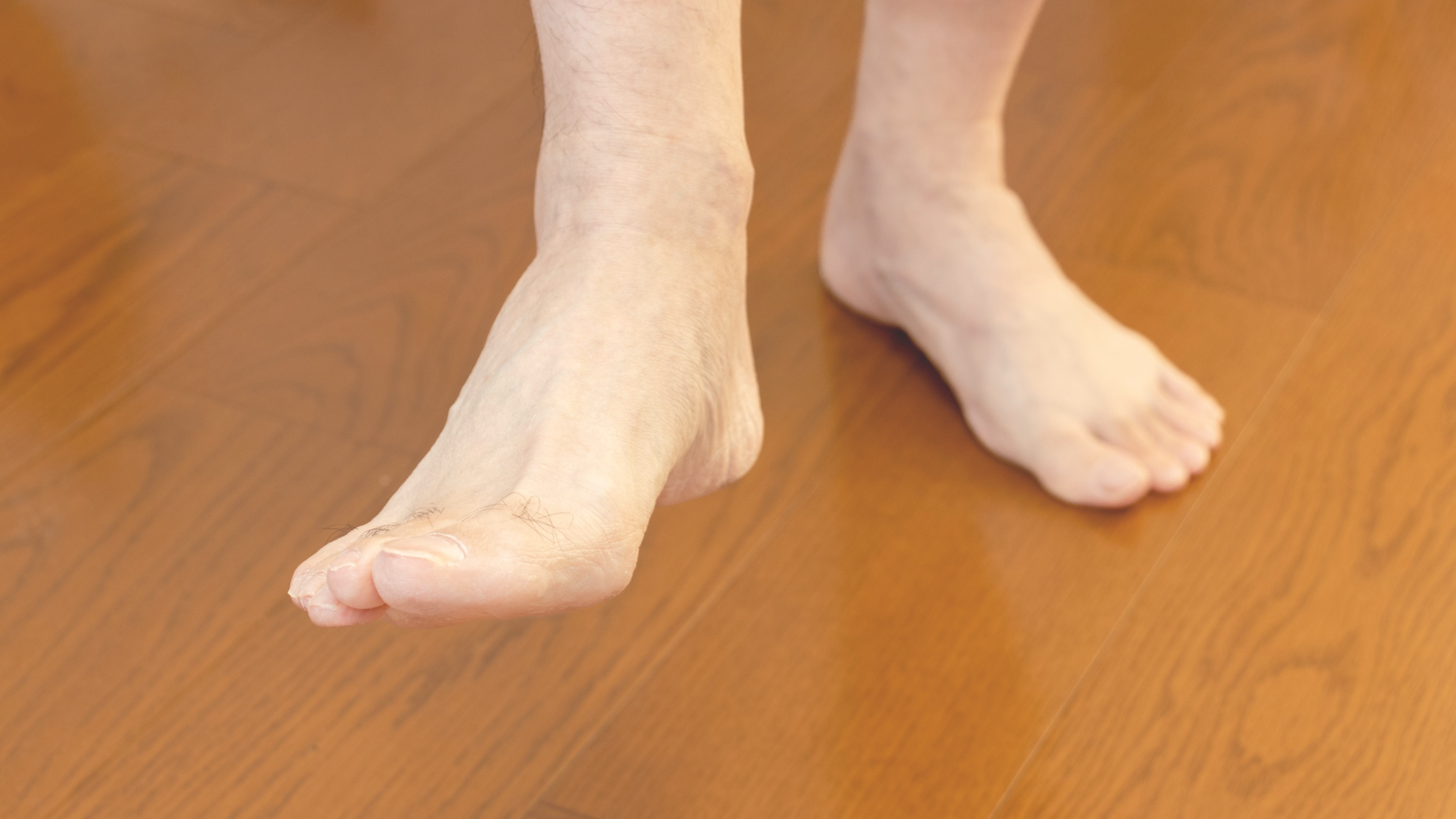
The medial arch is the highest and most flexible of the three arches. Because of its height and mobility, it plays a major role in absorbing shock and adapting to uneven ground.
The muscles, tendons, and ligaments supporting this arch often carry significant load during walking and running. For this reason, many common foot complaints are associated with structures that support the medial arch.
However, focusing solely on this arch can overlook other important contributors to foot function.
The Lateral Longitudinal Arch
The lateral arch runs along the outside of the foot. It is lower and more rigid than the medial arch and plays a key role in stability.
While it does not receive as much attention, the lateral arch helps form a stable base when the foot pushes off the ground during walking.
The Transverse Arch
The transverse arch runs across the forefoot, through the metatarsal heads (the “knuckles” at the ball of the foot). This arch is particularly important in forefoot conditions.
As the heel lifts during walking, body weight transfers through the forefoot. The transverse arch helps distribute load evenly across the metatarsal bones.
The first metatarsal is thicker and more stable than the others and is supported by two small sesamoid bones, which help disperse weight and reduce stress. The lesser metatarsals are smaller and do not have the same structural reinforcement.
If the first metatarsal becomes elevated (dorsiflexed) or unstable, as can occur with hallux valgus (bunion deformity) or certain foot types, the smaller metatarsals are forced to take on more load. This can lead to forefoot pain, callus formation, and stress-related conditions.
Foot shape vs foot function
The combination of these three arches contributes to what may be described as:
-
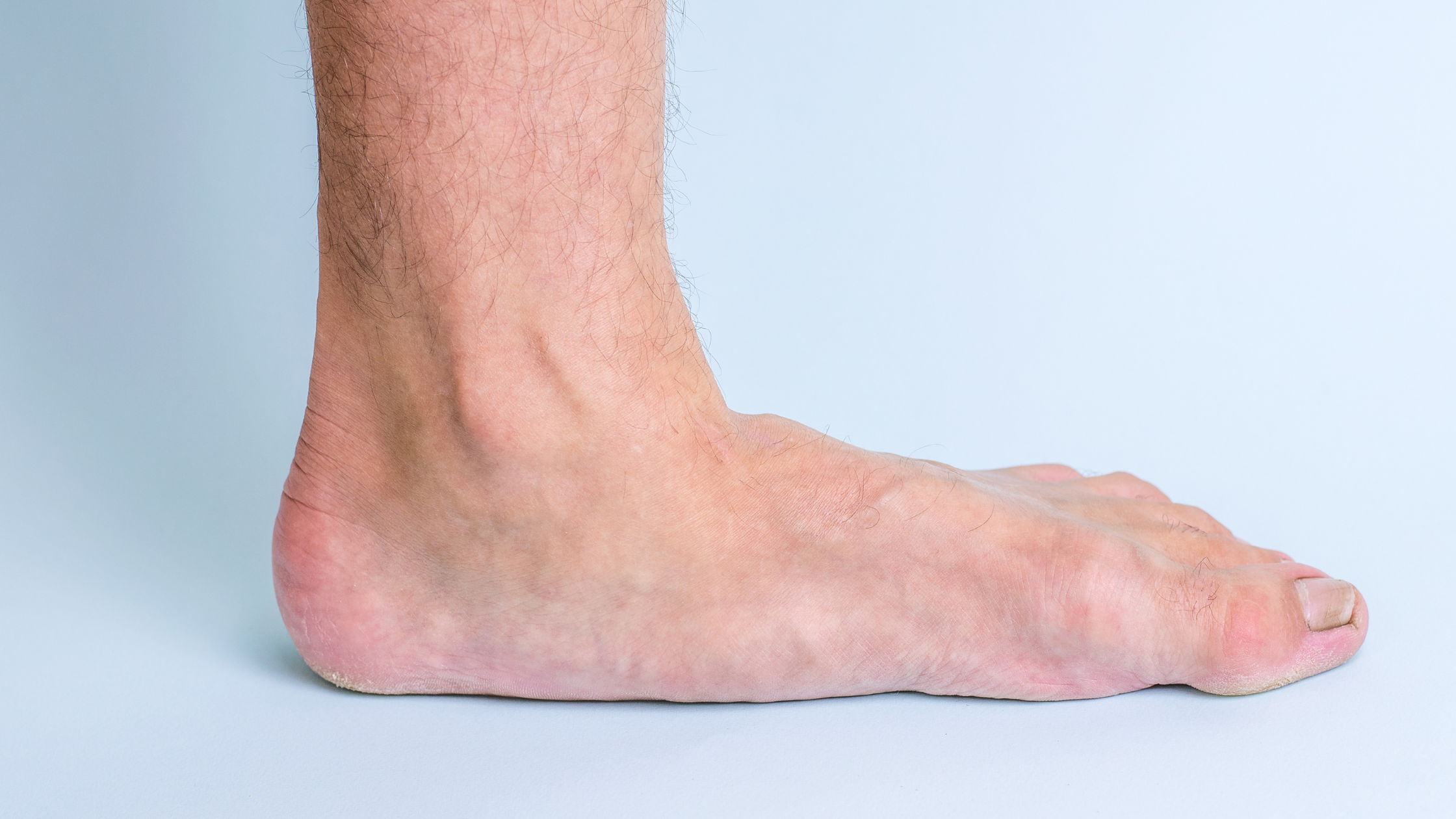
A pronated (flat) foot
-
A supinated (high-arched) foot
However, it is important to understand that foot shape does not always correlate directly with foot function. Two people may appear to have similar arch profiles but function very differently when walking or running.
This is why a simple visual assessment, or selecting an insole based purely on arch height, does not always address the underlying issue.
Why arch support should be individualised
Because all three arches contribute to foot mechanics, support must consider the foot as a whole. Over-the-counter insoles are designed for general foot shapes, not individual biomechanics.
Your feet are unique. They load differently, move differently, and respond differently to stress. Effective support should reflect that individuality, particularly when managing pain, preventing injury, or addressing structural changes.
Still in Pain?
Are you are feeling like you have tried everything but are still in pain?
Do you feel like you have seen every health practitioner you can about your foot pain?
We have a track record of diagnosing and successfully treating cases that have previously proven difficult to resolve and we'd love to help you get back on your feet doing what you love.
Today we're going to talk about the arches of the foot.
We often hear mainly about the medial longitudinal arch. This is traditionally what is referred to when people are talking about the arch of their foot.
But what is less well known is that we actually have two other arches, we have this lateral arch here, and we have this transverse arch that runs through the front of the foot here. Now, they are all equally as important as each other and they work together to provide structure of the foot. Because the medial arch is the highest of all of the arches, it is the one that generally does the most work in stabilizing the foot. And so the muscles, tendons and ligaments that are associated with the medial arch tend to get the predominant amount of work and load.
However, for forefoot type problems, the transverse arch is very important. The transverse arch dictates how much load and how much weight go on each of these metatarsels. These are like the knuckles of the forefoot and they are affected in a lot of different ways and are equally as important as the heel, particularly as the heel lifts, and we transfer our body weight through this part of the foot. So the design of the foot is such that the first metatarsal here is nice and thick and stable and it has these two little sesamoid bones here which help disperse weight and load.
The other metatarsals aren't as big, aren't as strong and don't have the sesamoids. However, if this metatarsal is dorsiflex or put out of the way, then these other metatarsals have to deal with most of the load. This is a situation that happens with HAV or bunion deformities, or sometimes just the actual makeup of the foot. And it is the combination of these three different arches that will go together to give you what would maybe be referred to as a pronated or flat foot or a supinated or a high arched foot. The problem with this is that the actual shape of your foot does not correlate directly with how it functions.
So as you can see, there's more than just one simple arch profile that needs to be taken into account. And that is to be thought about when you go to the pharmacy perhaps to get a bespoke off the counter insole. Your feet are not off the counter feet. They are unique to you and therefore require unique support in all the three different arches.
