
Fallen Arches
Fallen Arches and Flat Feet
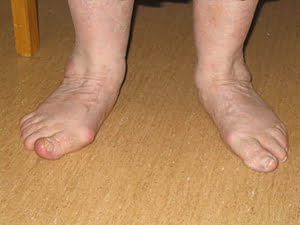
A fallen arch, commonly referred to as a flat foot, is a condition where the arch on the inside of the foot appears lowered or completely collapsed. While many people associate flat feet with foot pain alone, the reality is that fallen arches can contribute to a wide range of problems throughout the entire lower limb, and even into the lower back.
At Waikato Podiatry Clinic, we frequently see patients who have been living with unresolved pain for years, unaware that the root cause may lie in their foot structure and mechanics.
What is a Flat Foot?
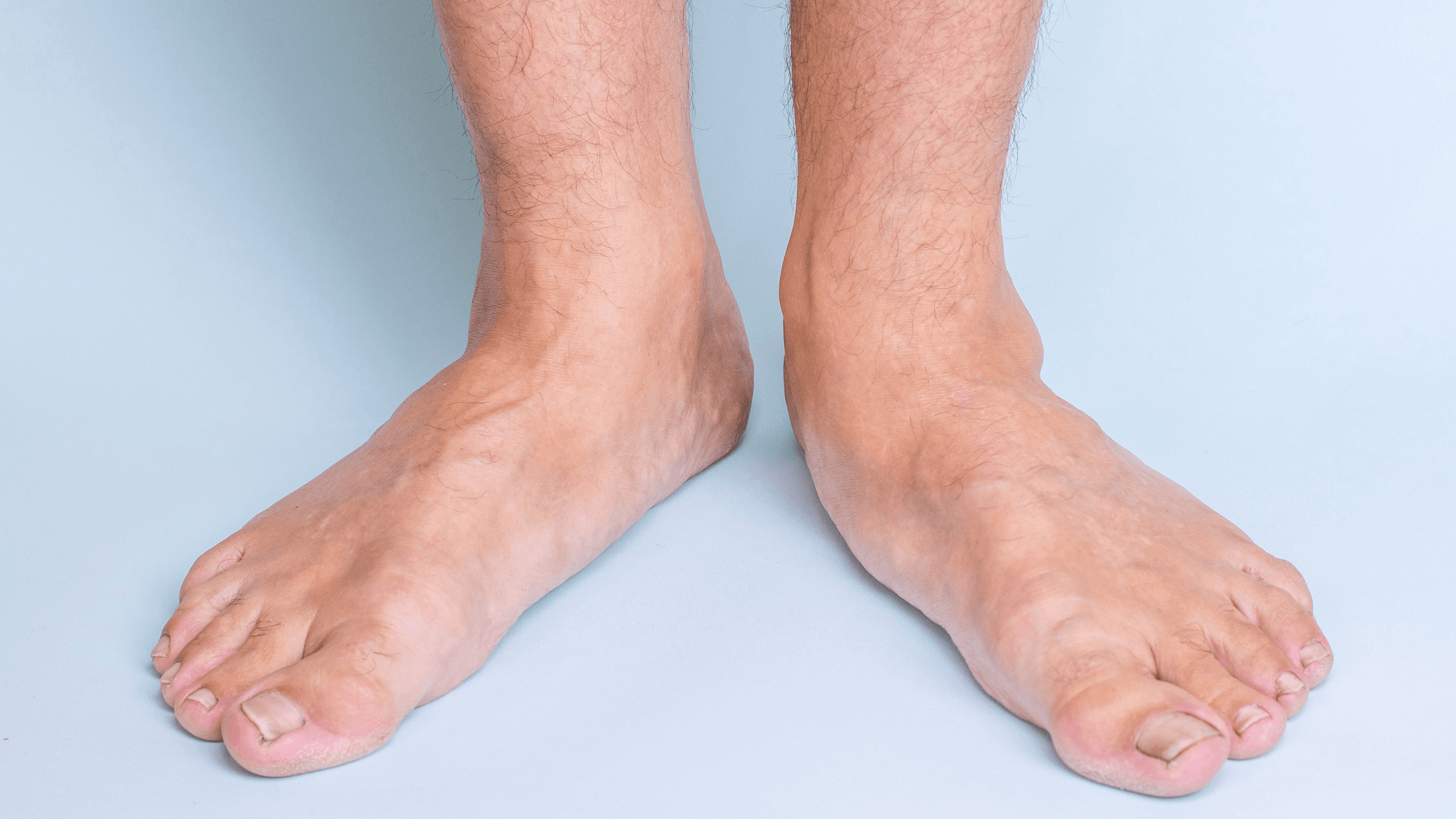
A flat foot occurs when the medial longitudinal arch (the main arch on the inside of the foot) drops excessively during standing or walking. In some cases, the arch may appear flat only when weight-bearing and reappear when sitting or standing on tiptoes. In other cases, the arch is permanently flattened.
Flat feet can be:
* Flexible – the arch collapses under load but reforms when unloaded
* Rigid – the arch remains flattened at all times and movement is limited
Both types can cause problems, depending on how the foot functions during movement.
What causes Fallen Arches?
Flat feet are most commonly related to the alignment of the bones within the foot, but several factors can contribute to the development or progression of fallen arches, including:
- Genetics – some people are simply born with foot structures that predispose them to flatter arches.
- Ligament laxity – looser ligaments reduce the foot’s ability to maintain structural support.
- Posterior tibial tendon dysfunction – a key tendon that supports the arch becomes weakened or damaged.
- Increased body weight – additional load places greater strain on the foot’s supporting structures.
- Pregnancy – hormonal changes and increased load can permanently alter foot structure.
- Injury or trauma – fractures or ligament injuries can destabilise the arch.
- Arthritis or inflammatory conditions – affecting joint stability and alignment
Over time, these factors can lead to progressive flattening of the foot and worsening symptoms if not addressed.
Why alignment matters
When the arches fall, the bones and joints of the foot no longer align optimally. This affects how forces are absorbed and transferred through the body during walking, running, and standing.
Poor foot alignment can lead to:
- Reduced shock absorption
- Increased strain on muscles, ligaments, and tendons
- Poor balance and stability
- Altered gait patterns
Because the foot is the foundation of the body, these changes often result in pain not just in the feet, but also higher up the chain.
Problems commonly associated with flat feet
Fallen arches can contribute to a range of musculoskeletal complaints, including:
- Foot pain – plantar heel pain, arch pain, forefoot overload
- Ankle pain and instability – frequent rolling or “giving way”
- Shin pain – including shin splints
- Knee pain – particularly patellofemoral (kneecap) pain
- Hip pain – due to altered lower limb alignment
- Lower back pain – from prolonged compensatory movement patterns
Many patients are surprised to learn that long-standing knee or back pain may actually be driven by foot mechanics.
Flat Feet don’t always look flat
One of the most important things to understand is that foot shape does not always reflect foot function. Some people with visibly flat feet experience no symptoms at all, while others with a “normal-looking” arch may have significant pain.
This is why a proper assessment is essential. Treating flat feet isn’t about appearances, it’s about how your feet function under load.
How Waikato Podiatry can help
At Waikato Podiatry Clinic, we take a comprehensive, individualised approach to foot health. Our experienced team focuses on function, alignment, and long-term outcomes, not just short-term pain relief.
Your assessment may include:
- A detailed history of symptoms, activity levels, and injury patterns
- Assessment of foot posture and joint mobility
- Evaluation of muscle strength and flexibility
- Gait analysis to observe how your feet and legs move during walking or running
From this, we develop a tailored treatment plan designed to improve alignment, stability, and comfort.
Treatment options for Fallen Arches
Treatment will depend on your symptoms, lifestyle, and goals, but may include:
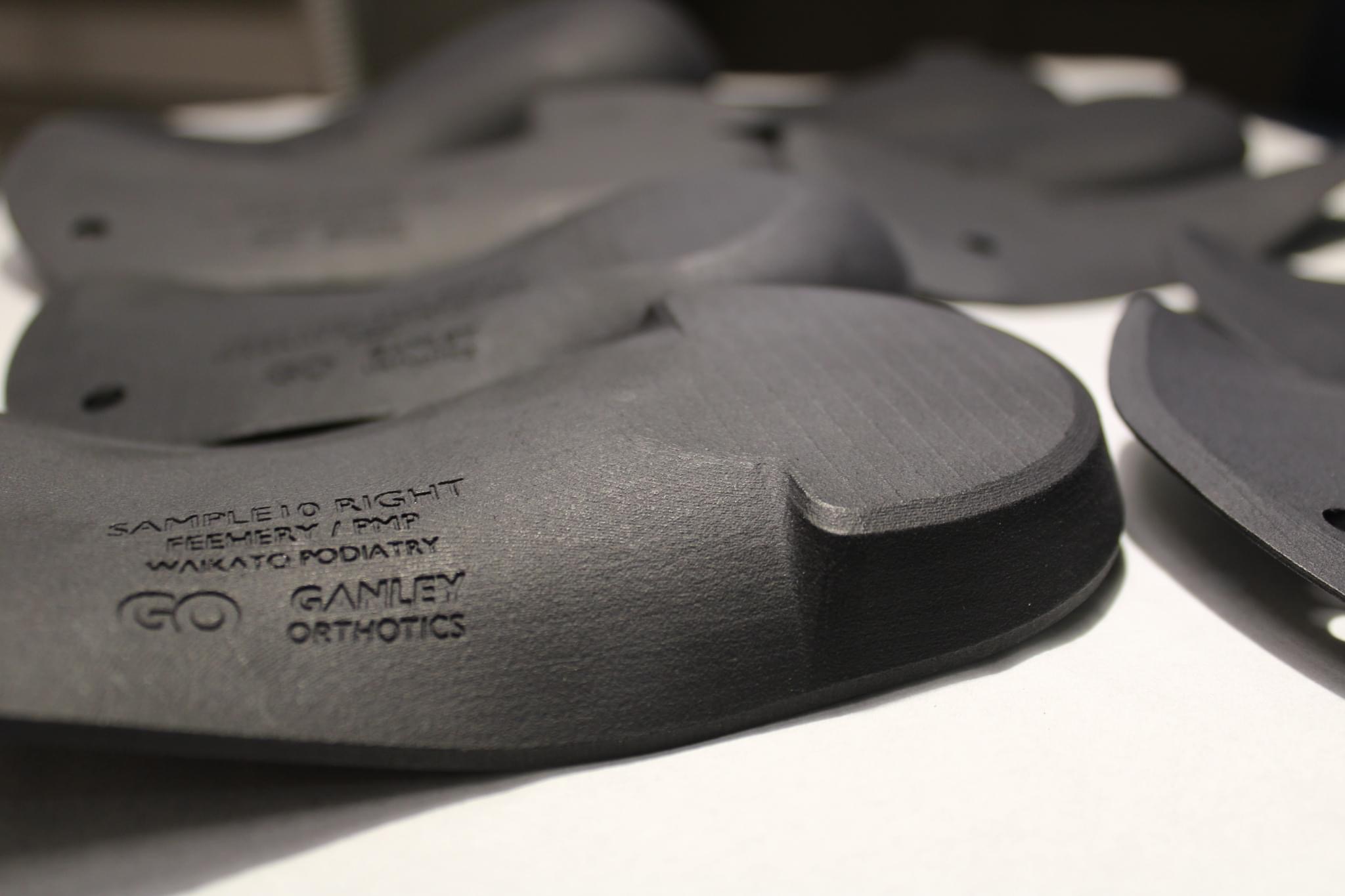
- Custom foot orthoses to support alignment and redistribute load
- Footwear advice to improve stability and support
- Strengthening exercises for foot and ankle muscles
- Stretching programmes to reduce excessive tension
- Activity modification to reduce overload while maintaining mobility
The goal is not to “force” an arch, but to help your feet function efficiently and reduce unnecessary strain throughout the lower limb.
The importance of early intervention
Left untreated, flat feet can lead to progressive joint strain and worsening symptoms over time. Early intervention can:
- Reduce pain
- Improve stability and balance
- Prevent secondary injuries
- Support long-term mobility
Most importantly, it helps you stay active and continue doing what you love.
Foot health is whole-body health
Healthy movement starts from the ground up. When your feet are supported and aligned, the rest of your body can move more freely and efficiently.
If you’re experiencing ongoing foot, ankle, knee, hip, or lower back pain, or if you’re concerned about fallen arches, the experienced team at Waikato Podiatry Clinic can help.
We can help you live an active, healthy life again.
Hi there to the experts at Waikato ,
What shoe brand or shoe company outlet stores in New Zealand do you recommend, perhaps Hush puppy , or Skeecher , or Rieker, or Nike,
I’m looking for comfortable, wide , black , work shoes and casual shoes , or dress shoes , but at the moment , I can’t find the right pair of shoes ,
, ie) , often times , a week after I’ve bought some new shoes , they start hurting , and it’s annoying cos i can’t really take the shoes back to get a refund, cos I’ve used them a bit , so it gets expensive , it’s a dilemma, cos I’ve got many pairs of shoes that are not quite right , and are almost useless ,
And the shoe shop staff at the time of purchase only want to make a sale ,
i think the the main trouble is that the shoes i select aren’t really wide enough , especially on my right foot , that is ,
I’d appreciate any suggestions of a place that sells the best shoes for ongoing use and are comfortable, because shoes that cause aches and pains are very debilitating ,
Best regards Dan ,
Hi Dan! Thank you for your comment, if you have a shoe clinic handy to you we would recommend going in to see them – they do a foot analysis and 30day money back guarantee. They stock brands such as Asics, New Balance, Hoka etc that we recommend to lots of our patients. Hope this helps – Baylee (Admin)