
Blisters
Blisters: causes, treatment, and how to prevent them
Blisters are one of the most common foot problems we see, particularly after long periods of walking, running, sport, or wearing new or ill-fitting footwear. While the body may recover from general aches and pains in a few days, blisters can remain painful, slow to heal, and disruptive to everyday activity if not managed correctly.
Understanding what causes blisters, how to treat them properly, and how to prevent them can make a big difference to your comfort and foot health.
What is a blister?
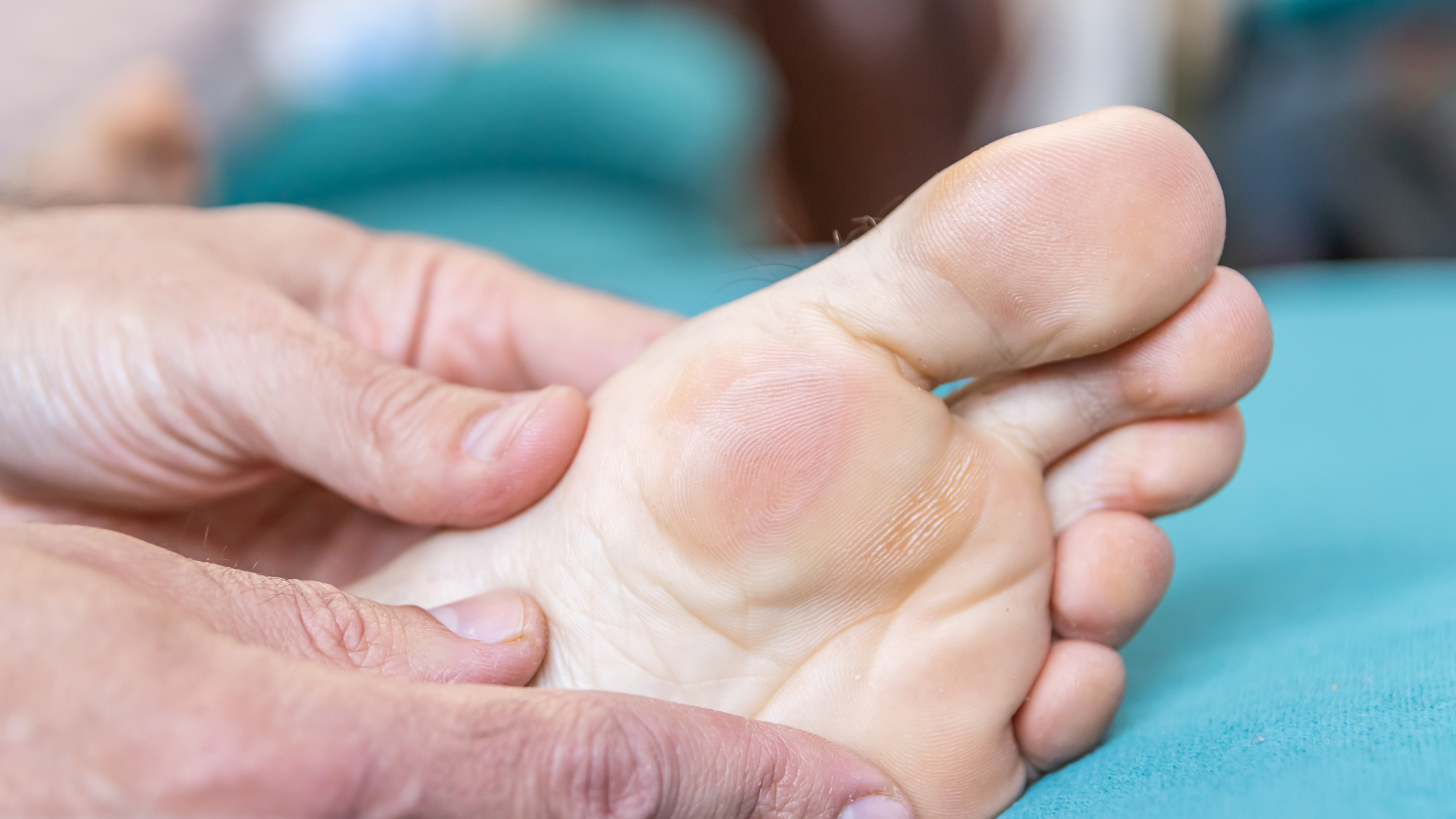
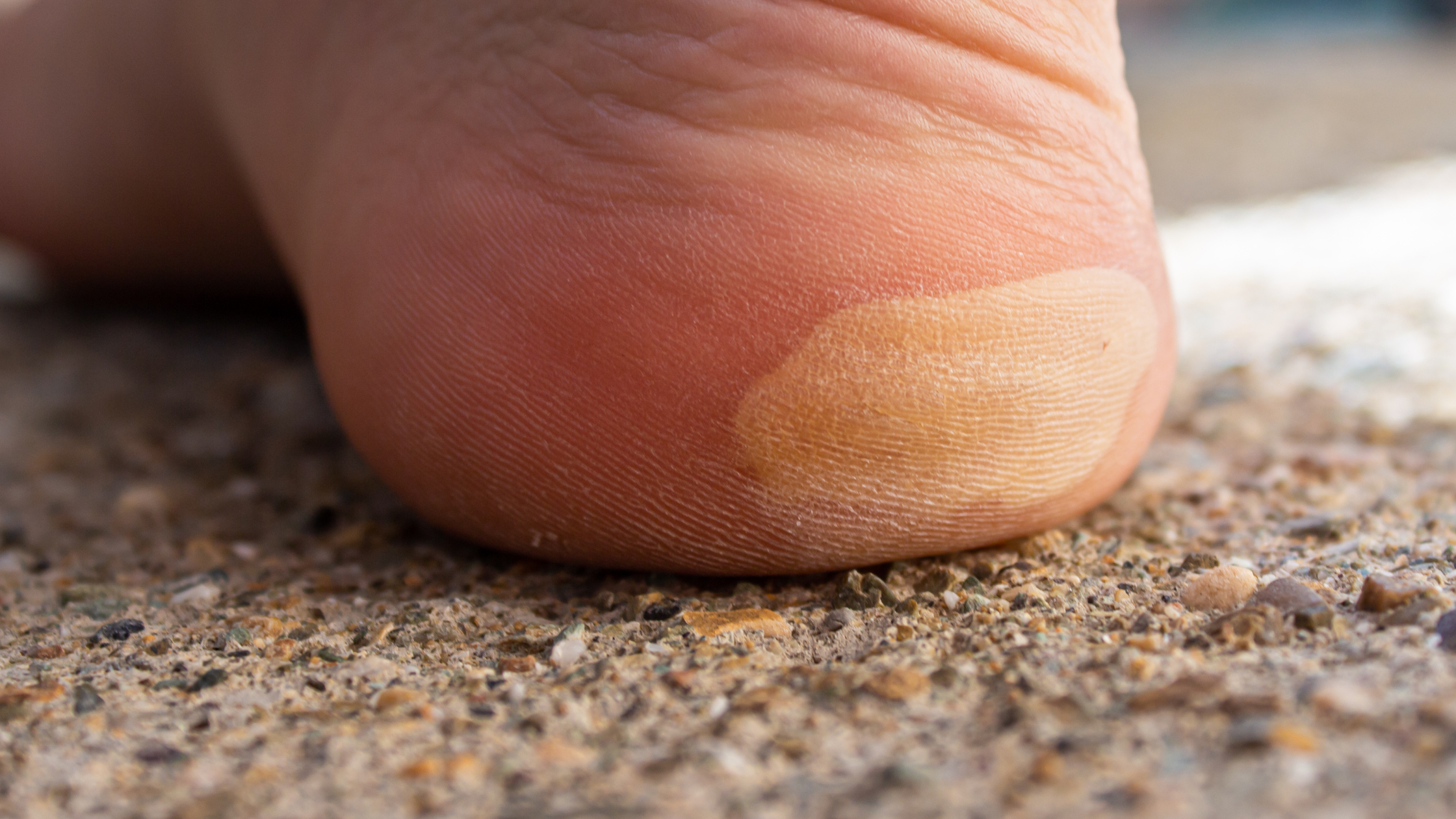
A blister is a small pocket of fluid that forms in the upper layers of the skin. This fluid acts as a natural protective cushion, helping to shield the underlying tissue while the skin heals.
The fluid inside a blister most commonly consists of plasma or lymph, which are clear, watery components of blood. In some cases, blisters may contain:
Blood (often referred to as a blood blister)
Exudate or pus, which may indicate infection
Blisters are most commonly caused by friction, especially when combined with moisture. This is why the feet, being enclosed in shoes and exposed to repeated movement, are one of the most frequently affected areas.
Common causes of blisters
Blisters can develop for a variety of reasons, including:
Ill-fitting footwear – Shoes that are too tight, too loose, or poorly designed can rub against the skin
Moisture and heat – Sweat softens the skin, making it more vulnerable to friction
Repetitive movement – Walking, running, or sports activity over long periods
High pressure areas – Weight-bearing regions of the foot
Burns – From heat, chemicals, or extreme cold
Infection or skin conditions
If footwear is the cause, ongoing blistering can make even simple daily activities painful and uncomfortable.
How to treat a blister
The best initial treatment for most blisters is to:
Keep the area clean and dry
Avoid piercing the blister if possible, as the intact skin helps protect against infection
If the blister is small (less than 5mm in diameter) and shows no signs of infection, it can usually be covered with protective padding or a blister dressing to reduce pressure and prevent further rubbing.
Changing to better-fitting footwear is essential to avoid recurrence.
When professional treatment is needed
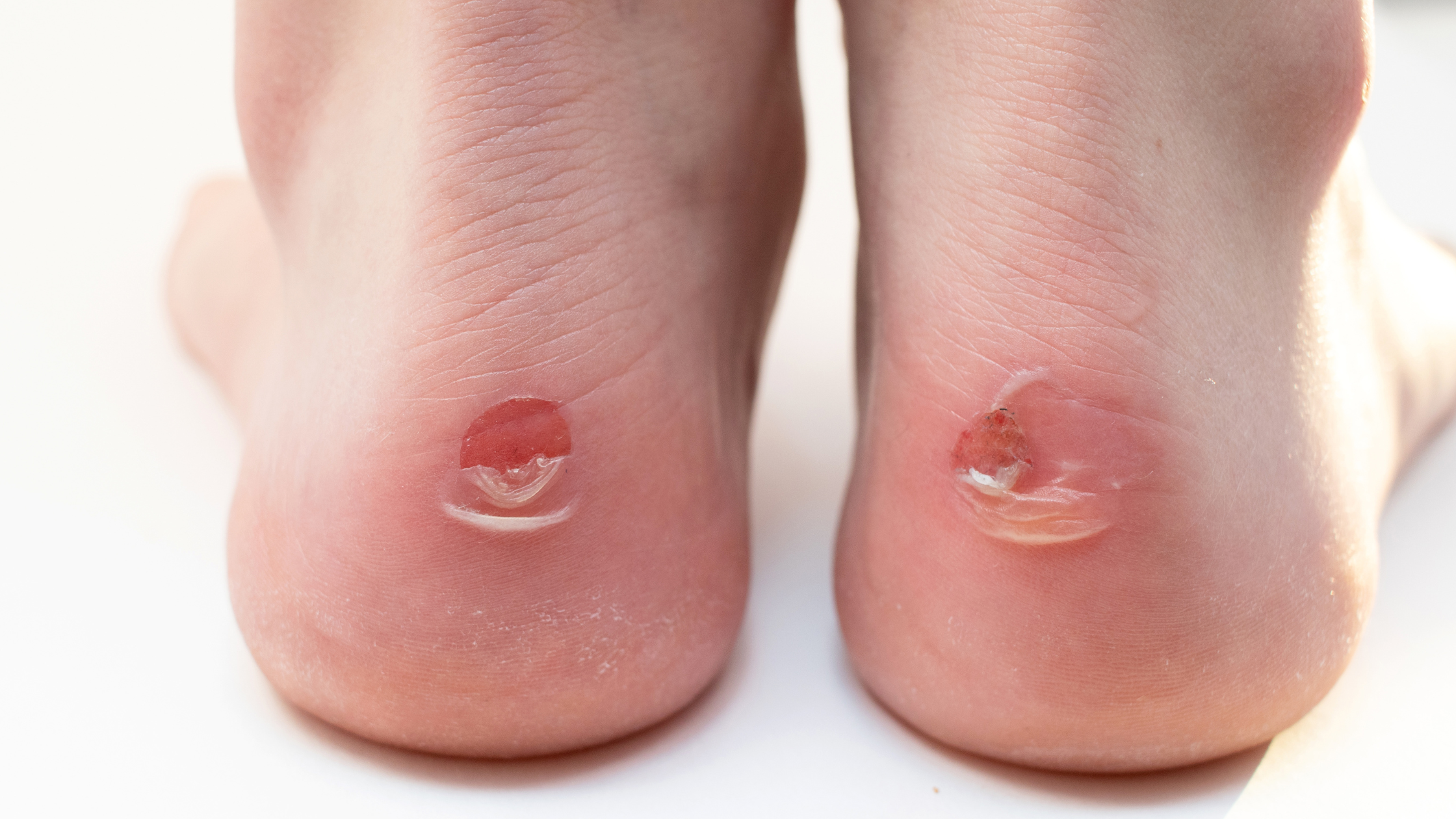
Blisters located on high-pressure or weight-bearing areas of the foot may require professional care. In these cases, a podiatrist may:
Safely aspirate (drain) the blister under sterile conditions
Clean the area with an antiseptic
Apply appropriate dressings or offloading techniques to promote healing and reduce pressure
At Waikato Podiatry, we assess each blister individually to determine the safest and most effective treatment approach.
Preventing recurring blisters
If you frequently present with blistering, there may be an underlying cause that needs addressing. Long-term prevention strategies may include:
Footwear assessment and education – Choosing the correct shoe size, shape, and style
Sock selection – Using moisture-wicking, well-fitted socks
Moisture management – Reducing excess sweat to minimise friction
Protective padding or dressings for high-risk areas
Biomechanical assessment – Identifying abnormalities in the way you walk or run that increase friction or pressure
A biomechanical assessment can determine whether your gait is contributing to repeated blister formation and whether orthotics or footwear modifications may help.
Special considerations for high-risk patients
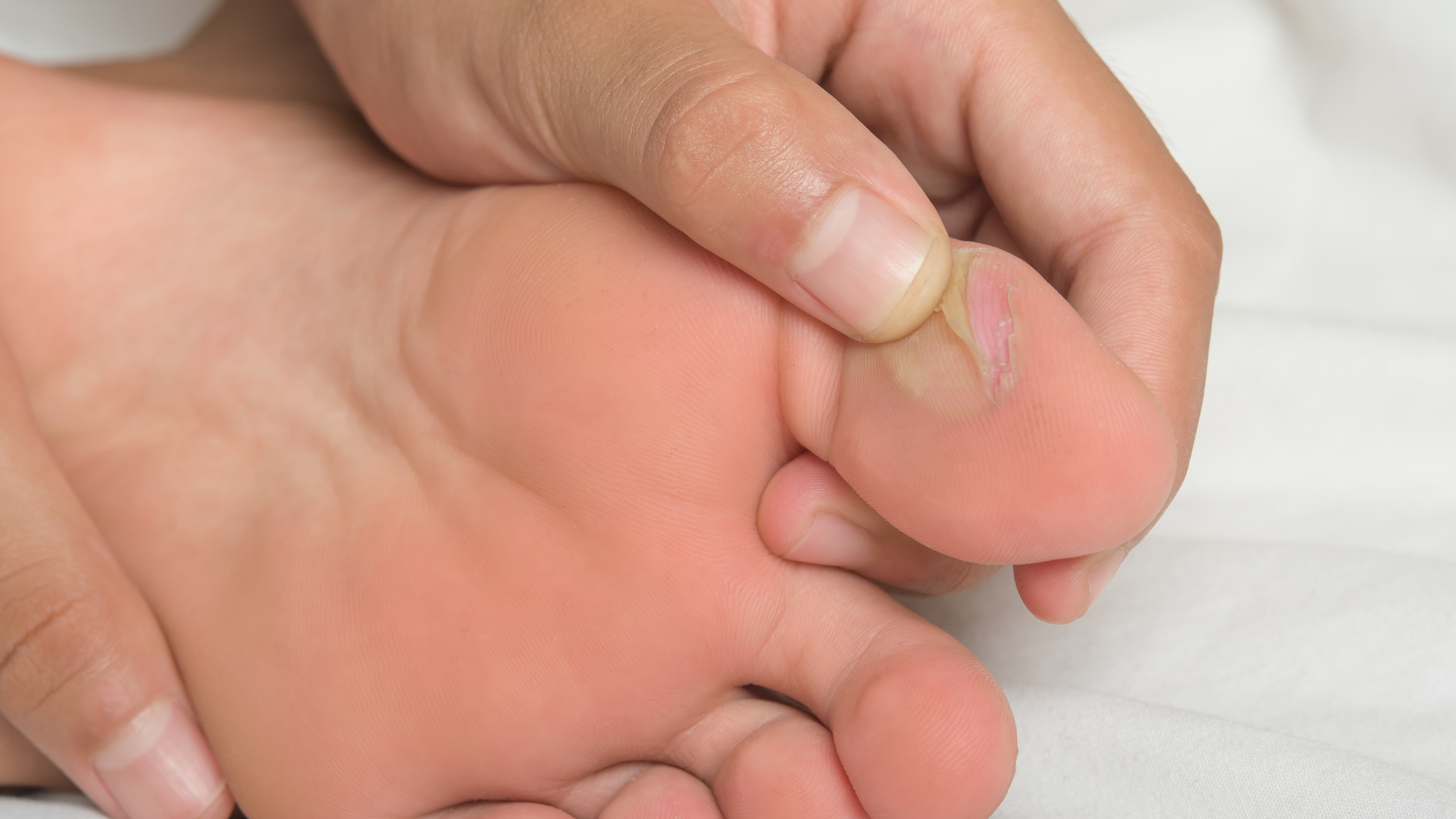
If you have a medical condition that affects your feet, such as diabetes, circulatory problems, or reduced sensation, it is especially important to seek professional care when blisters occur.
Even minor blisters can lead to serious complications if left untreated. Early podiatry intervention helps reduce the risk of infection, delayed healing, and more severe foot problems.
How Waikato Podiatry can help
At Waikato Podiatry, we don’t just treat the blister, we look for the reason it occurred. We provide:
Professional blister management
Education on footwear, socks, and moisture control
Strategies to prevent recurrence
Gait and biomechanical assessments where required
With the right advice and treatment, most blisters can be healed quickly and prevented from coming back.